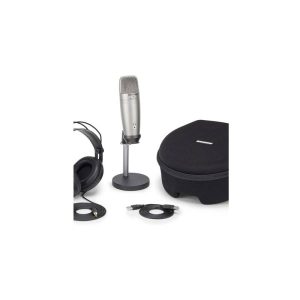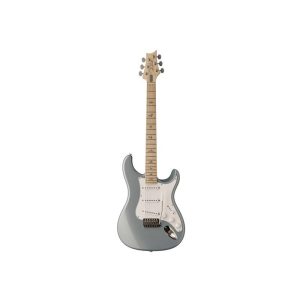
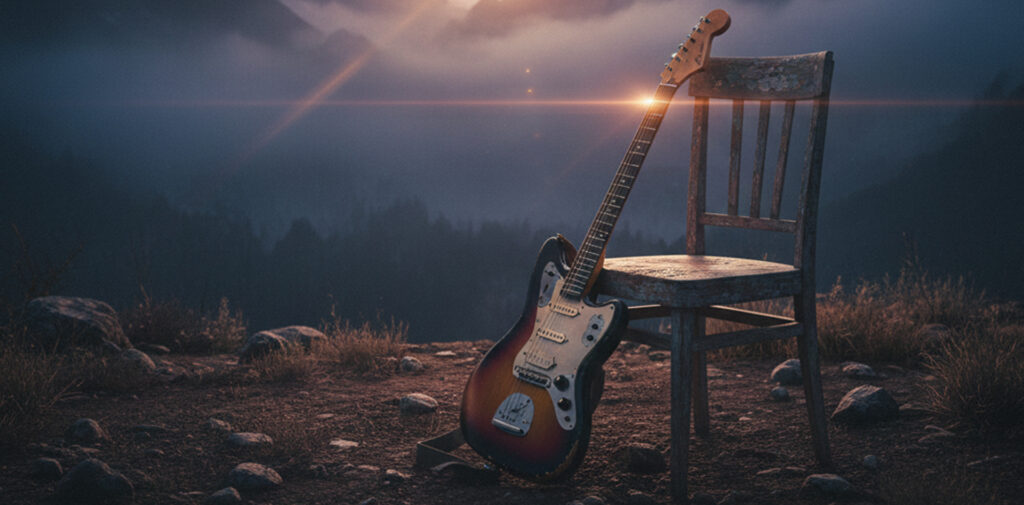
Cinematic guitar isn’t about riffs or solos—it’s about emotion, tension, and scale. Whether you are scoring a grit-heavy neo-Western (think The Last of Us), a sprawling sci-fi epic, or a melancholic drama, like it’s being played in a vast, empty canyon or a high-tech laboratory.
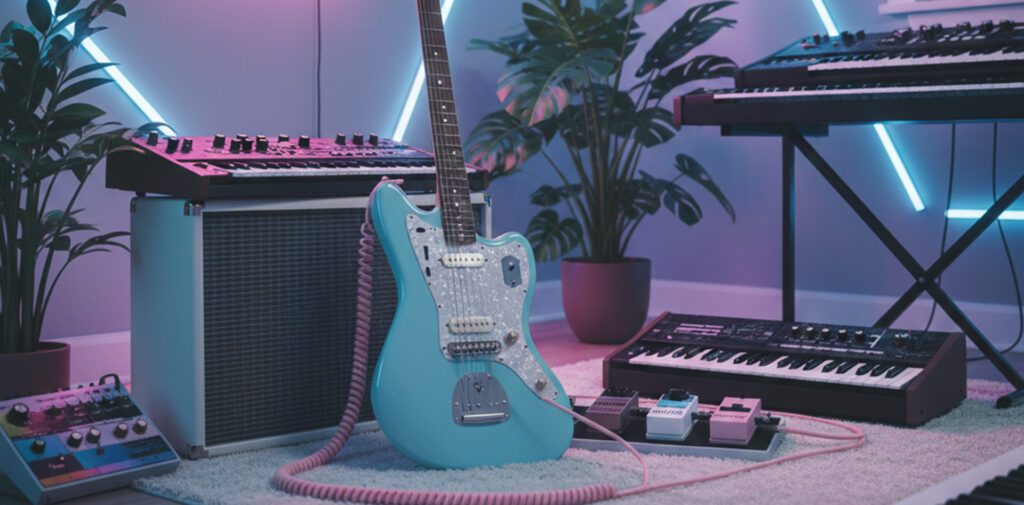
Indie Pop tone is all about texture, space, and sparkle. Whether you’re aiming for the “sunny-day” jangle of Mac DeMarco, the atmospheric wash of The 1975, or the tight, funky precision of Nile Rodgers-influenced pop, your tone needs to be clean enough to breathe but “colored” enough to be interesting.
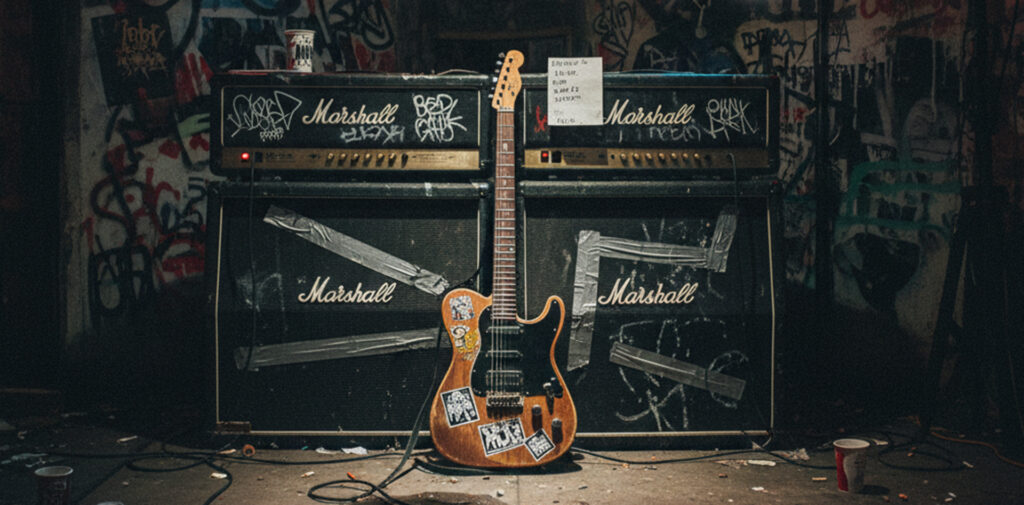
Punk rock tone isn’t about perfection; it’s about attitude, aggression, and honesty. Whether you’re chasing the 1977 London snarl, the 90s SoCal “skate punk” crunch, or modern Pop-Punk precision, the goal is a sound that is high-energy, mid-forward, and hits like a brick.
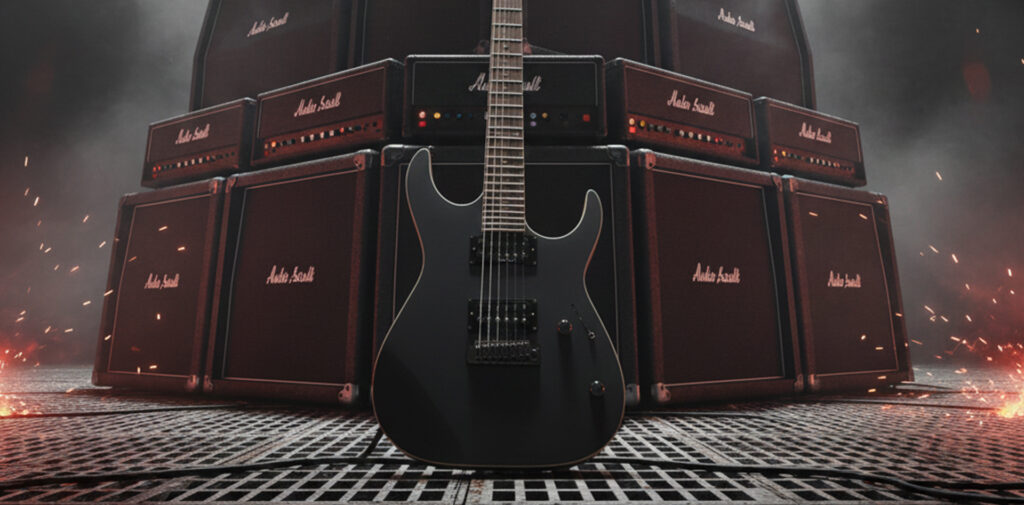
Whether you’re chasing the tight, percussive chugs of modern Djent or the saturated, soaring leads of classic Thrash, a great metal tone requires two things: precision and power.
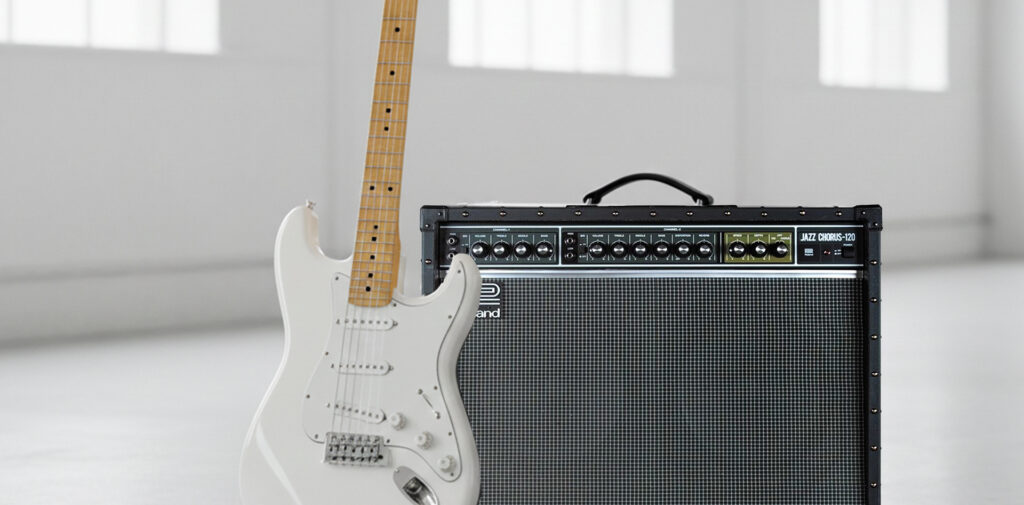
Jazz Fusion is a demanding genre. It requires the harmonic complexity of Jazz combined with the power and sustain of Rock. To nail this sound, you need a tone that is “liquid”—smooth enough for fast legato runs, yet articulate enough for complex chord voicings.
If you’re looking for that definitive “Rock” sound—that massive, crunchy, mid-forward roar that defined the 70s and 80s and still rules the airwaves—you’re in the right place. We aren’t looking for thin “fizz” or ultra-compressed “modern metal” chugs.
When we talk about a “great blues tone,” we’re looking for the Holy Grail of guitar sounds: The Edge of Breakup. It’s that magical territory where your tone is clean and bell-like when you play softly, but growls with “teeth” when you dig in for a bend.
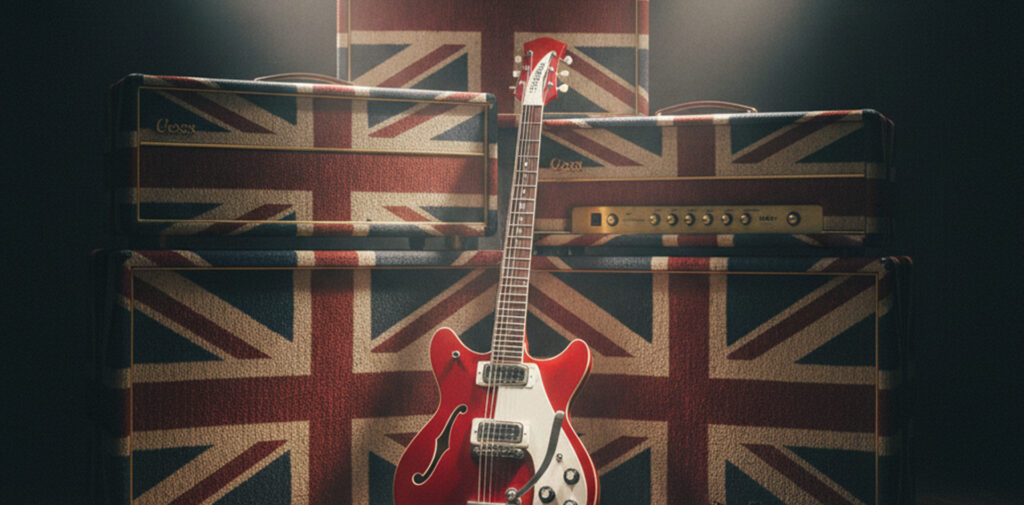
The sound of the 1960s British Invasion—the Beatles, the Kinks, the early Stones, and the Who—is one of the most iconic “flavors” in guitar history. It’s defined by a “chimey” top end, a bouncy midrange, and a very specific type of harmonic grit that feels “alive.”
To achieve the Allan Holdsworth tone—often described as “the impossible lead sound”—you have to throw out standard rock guitar rules. Holdsworth didn’t want his guitar to sound like a guitar; he wanted it to sound like a violin or a saxophone.
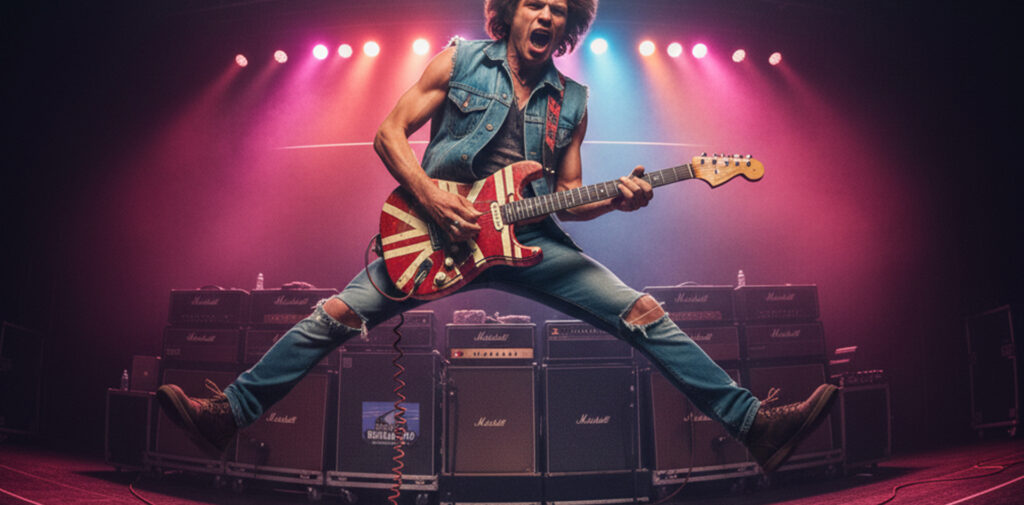
Chasing the “Brown Sound” is the ultimate rite of passage for any guitar tone enthusiast. It’s that perfect cocktail of high-gain saturation, warm organic “sag,” and a stinging top-end that defined Eddie Van Halen’s early career.
Achieving the “David Gilmour” tone, The “Pulse” Recipe—that majestic, wide-as-the-ocean sound—requires a very specific philosophy: extreme clean headroom paired with surgical gain stacking.
When you think of Jimmy Page, you think of “The Architect of Light and Shade.” His tone wasn’t just about heavy distortion; it was a masterful balance of bridge-pickup bite, mid-range “honk,” and a massive sense of room ambiance.
Replicating the “Slowhand” sound is all about capturing two distinct worlds: the aggressive, creamy “Woman Tone” of his Gibson/Marshall years and the compressed, mid-boosted “Blackie” Strat/Tweed era.
To achieve the B.B. King tone—the legendary “Lucille” sound—you need to recreate a very specific paradox: a tone that is incredibly clean, yet has a “honk” and sustain that almost sounds like a human voice.
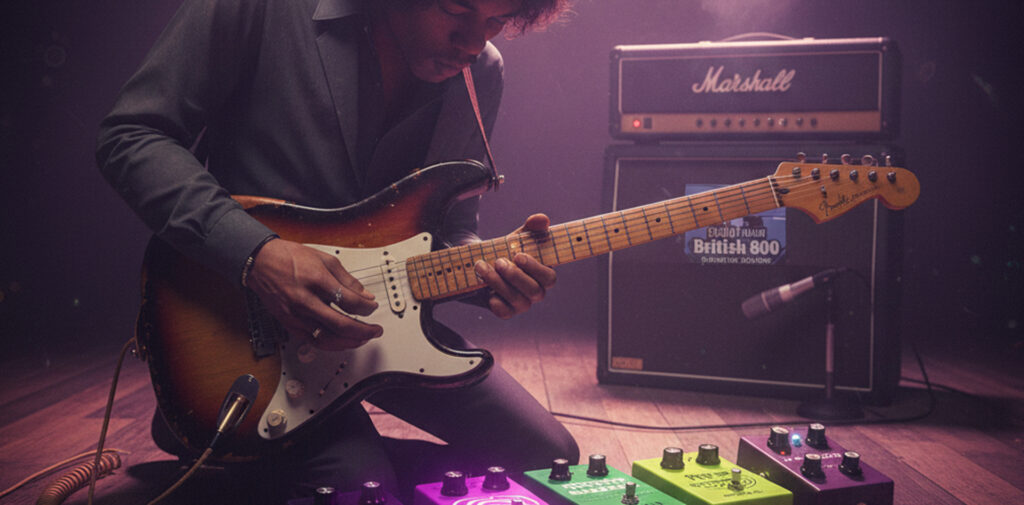
To capture the elusive, fiery magic of Jimi Hendrix’s tone using Audio Assault gear, you need to understand that Jimi wasn’t just “playing through an amp.” He was pushing a specific chain of British hardware to its absolute breaking point.
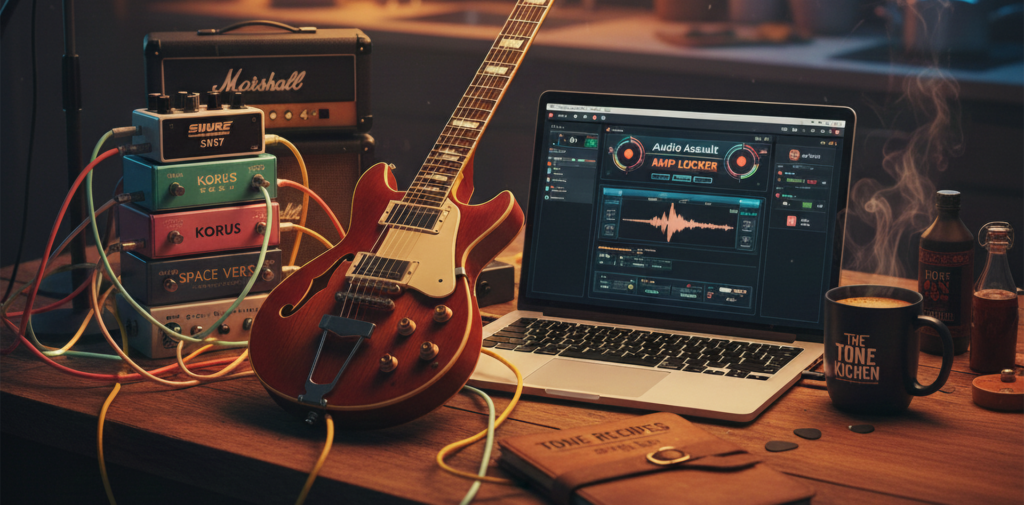
We’ve all been there. You download a high-end plugin, scroll through the factory presets, and… it just doesn’t hit right. Maybe it’s too fizzy, maybe it’s too thin, or maybe it just lacks that “soul” you hear on your favorite records.