The “Atmospheric Pop” Tone Recipe: Creating Sonic Landscapes with Audio Assault 🔥🎸
Atmospheric pop—think The 1975, LANY, The War on Drugs or modern Worship styles—is less about the “guitar” and more about the space. The goal is to create a lush, immersive texture that fills the frequency spectrum without crowding the vocals. You want a tone that is “ethereal,” “cloud-like,” and “cinematic.”
Using Audio Assault’s Amp Locker, we can build a professional ambient rig that turns a simple six-string into a synthesizer-like soundscape. Here is your exact recipe for the “Cloud Nine” tone.
1. The Amp: The “High-Headroom” Canvas
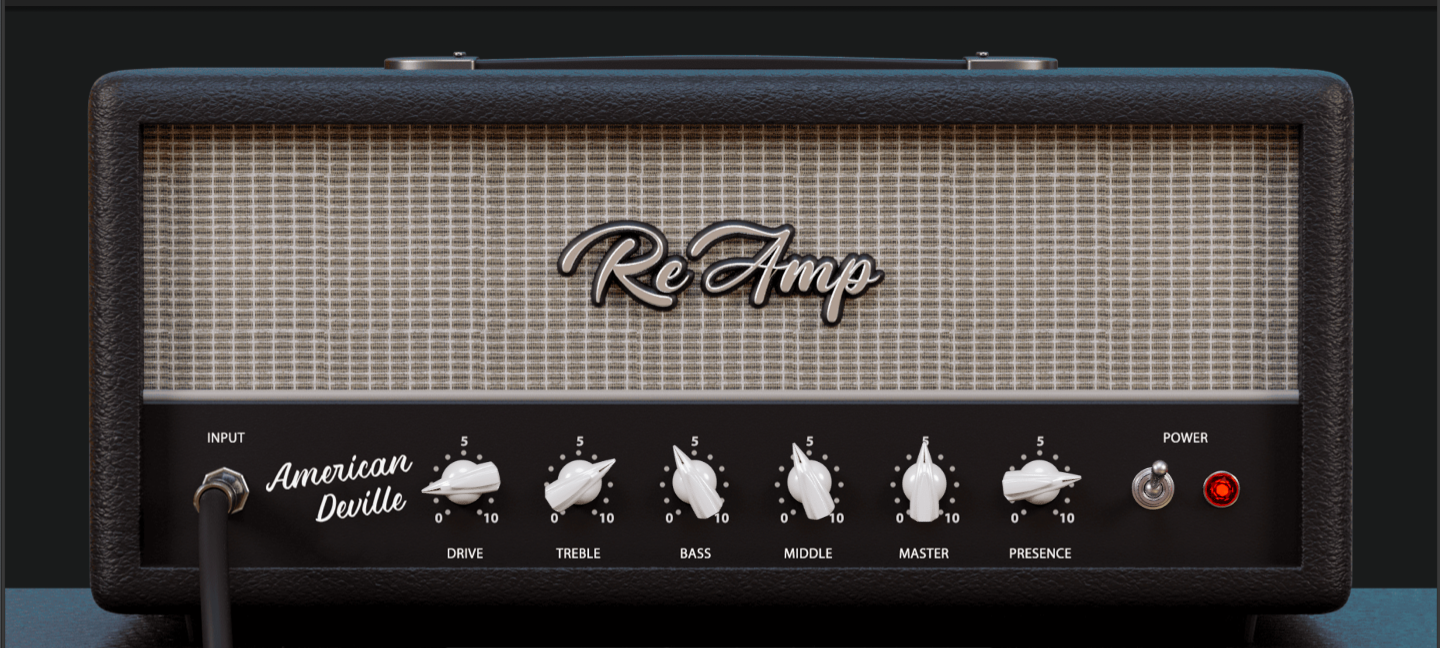
For atmospheric tones, you need an amp that stays clean even when hit with a chain of five or six pedals. You want “depth” and “clarity” above all else.
- The Audio Assault Choice: American Deville (Modelled after the Fender Hot Rod Deville).
- Alternative: Special Drive (Based on a Dumble Overdrive Special) – Use the Clean channel for its legendary “bloom” or the Hi Clean for high headroom.
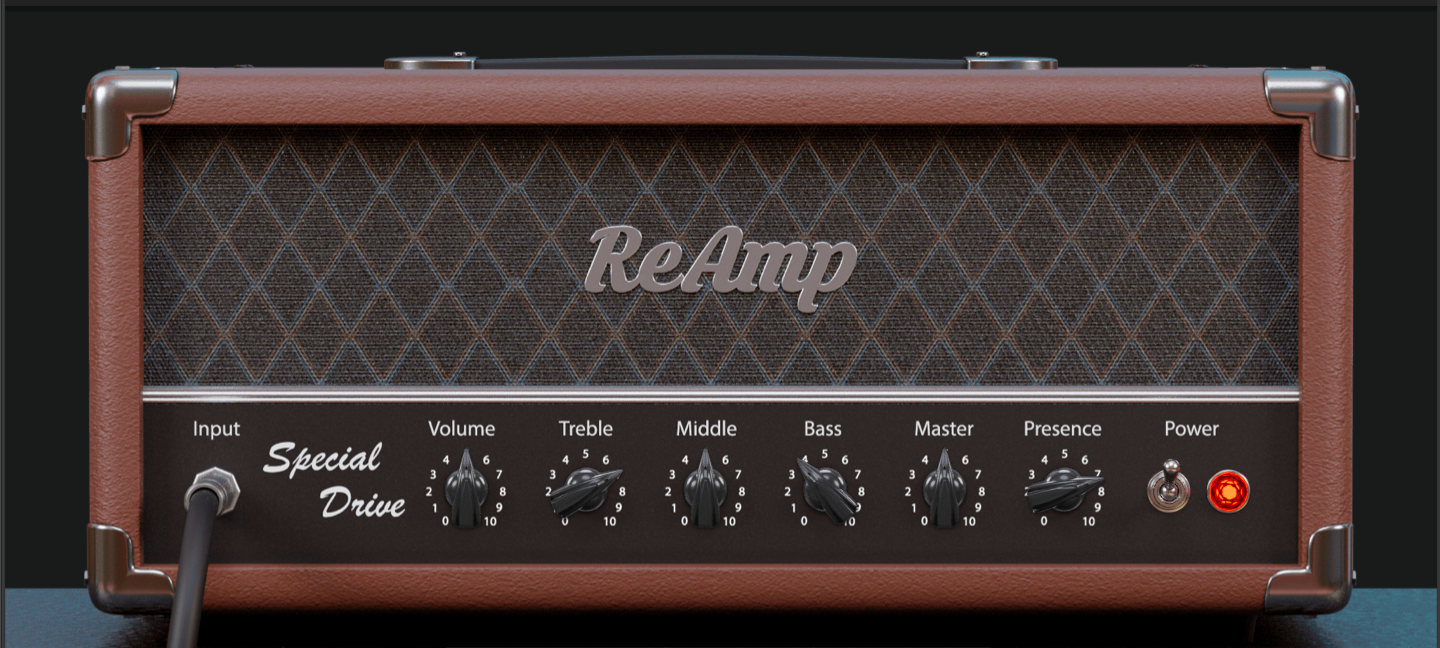
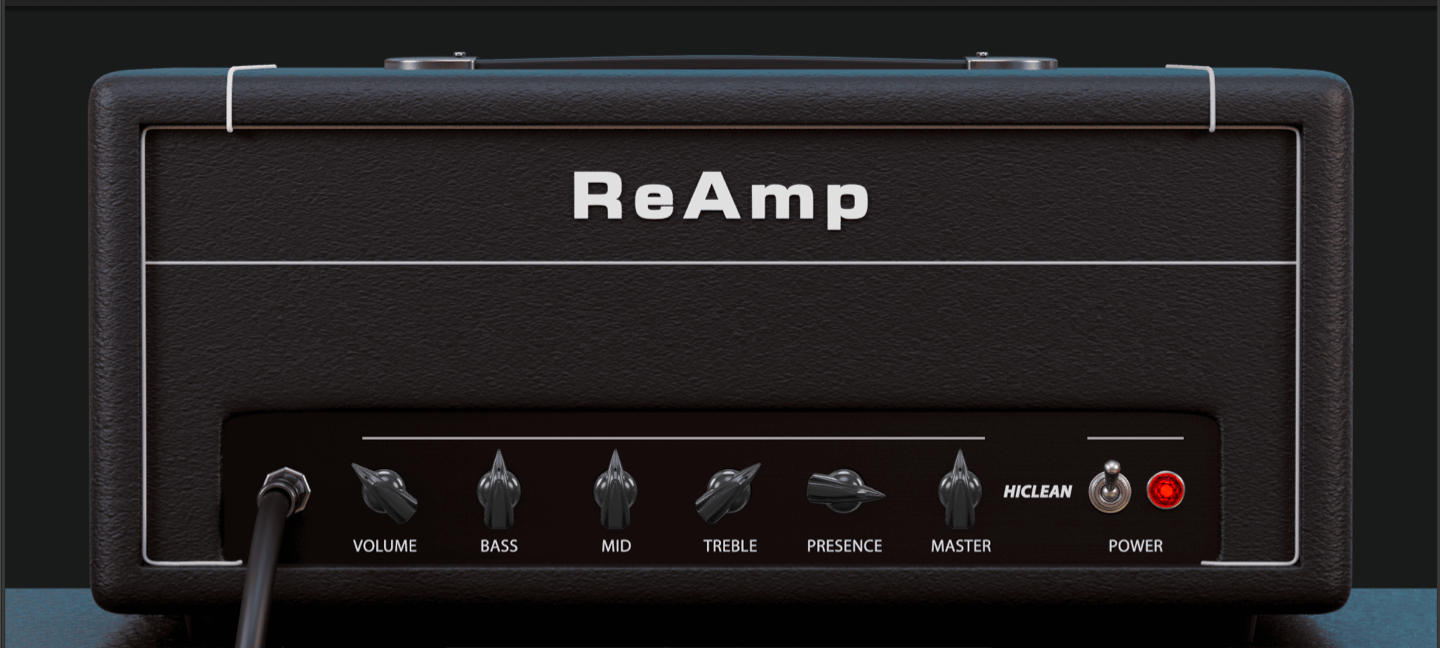
The “Cloud-Like” EQ Settings:
| Control | Setting | Why? |
| Gain | 2.5 | We want a purely linear, non-distorted signal. |
| Bass | 5.5 | Provides the “heft” and foundation for the ambient wash. |
| Middle | 4.0 | A slight scoop allows the delays and reverbs to sit in the mix. |
| Treble | 6.5 | Adds the “crystalline” sparkle that defines the genre. |
| Presence | 7.5 | Crucial. This adds the “air” to the top end of your reverb tails. |
2. The Pedals: Texture & Dynamics
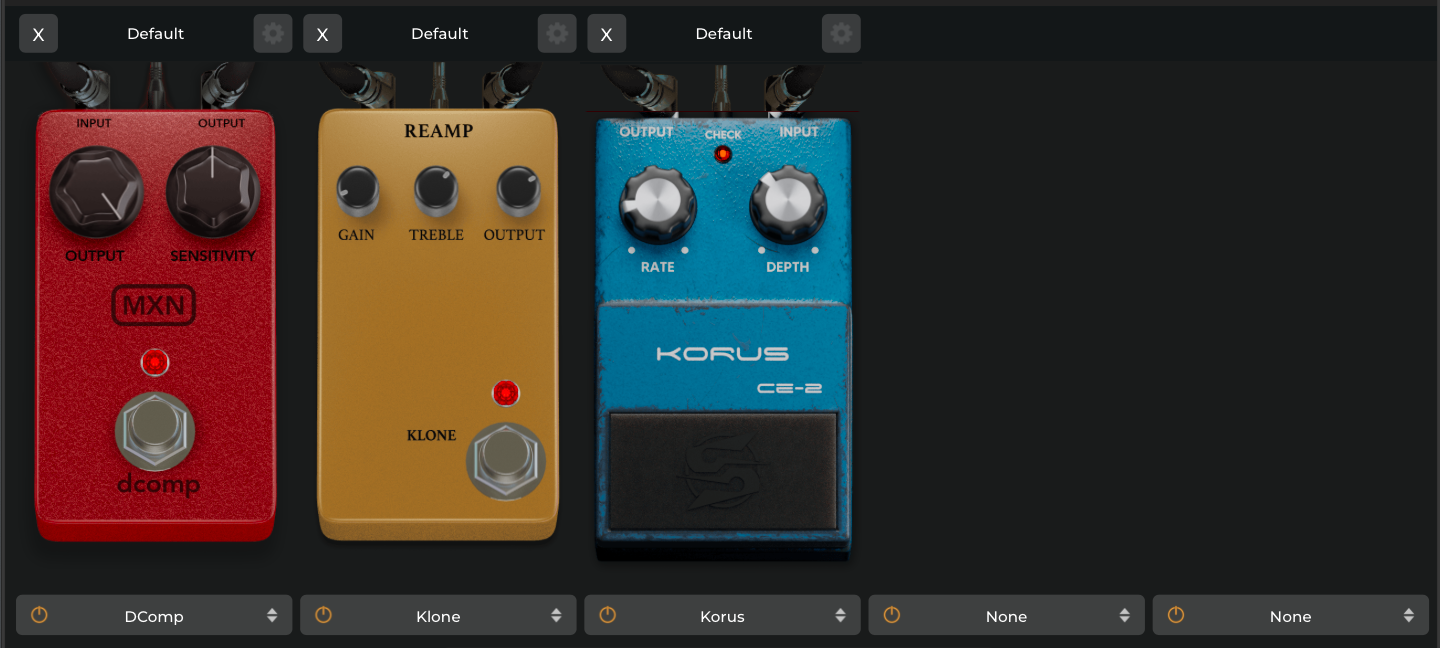
In atmospheric pop, your pedals are doing 70% of the heavy lifting.
- The Compressor: Mini Attack.
- Setting: Place this first. Use a high Sustain/Ratio.
- Why: You need your notes to ring out forever. A compressor keeps those quiet, ambient “swells” audible and smooths out the pick attack.
- The “Vibe” Booster: The Klone.
- Gain: 1.0 (Basically off).
- Level: 5.0.
- Treble: 6.0.
- Why: Use this to add “harmonic richness” to your clean tone without making it crunchy.
- The Modulation: Korus.
- Rate: 1.0 (Very slow).
- Depth: 5.0 (Deep).
- Why: A deep, slow chorus creates that “drifting” pitch modulation that makes the atmosphere feel alive.
3. The Cab: Wide & Immersive
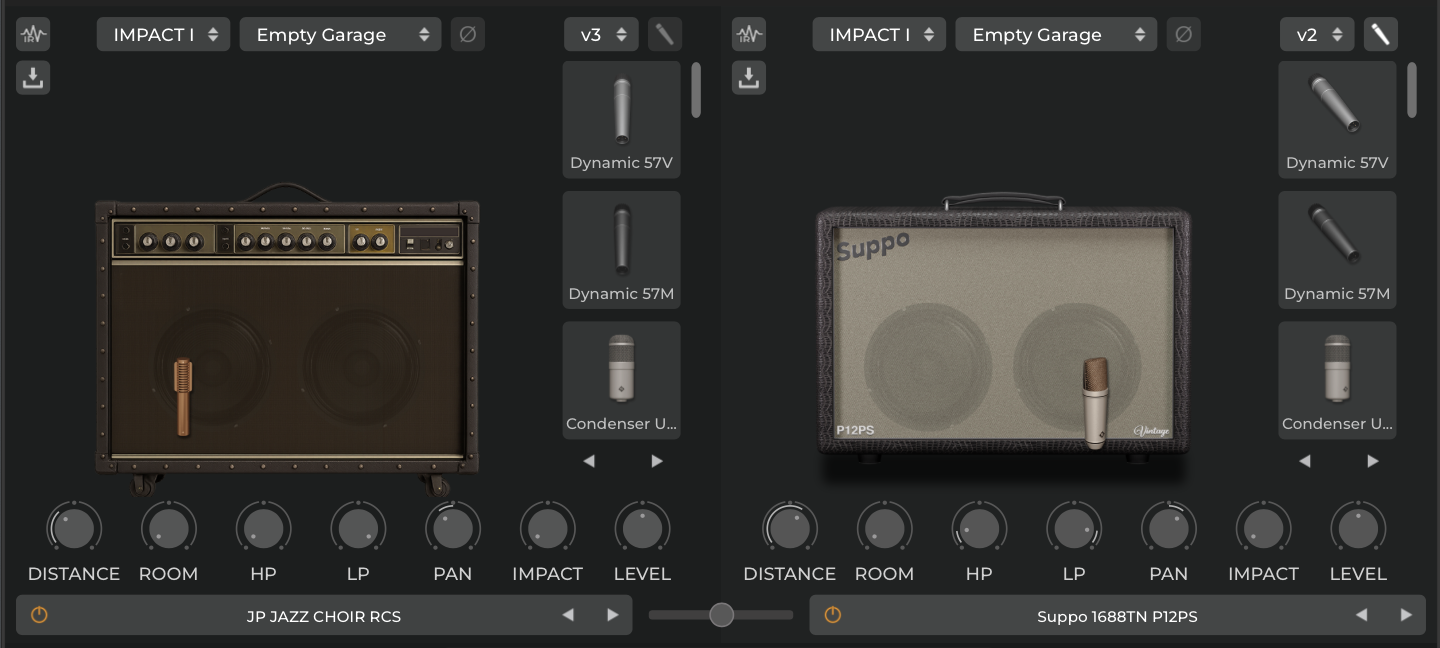
Avoid 4×12 cabs—they are too “boxy” and directional. You want the wide, 3D sound of a 2×12 open-back cabinet.
- Audio Assault Choice: USA_TWIN65_C12N or JP_JAZZCHOIR.
- Mic Setup (The “Surround Sound” Trick):
- Mic 1: Condenser 87. Place it 4 inches back, centered.
- Mic 2: Ribbon 121. Move this virtually 12 inches back from the cab.
- Why: By placing the second mic further back, you capture the “room” character, which is essential for an atmospheric sound that feels “huge” rather than “loud.”
4. The Finish: The “Ambient Engine”
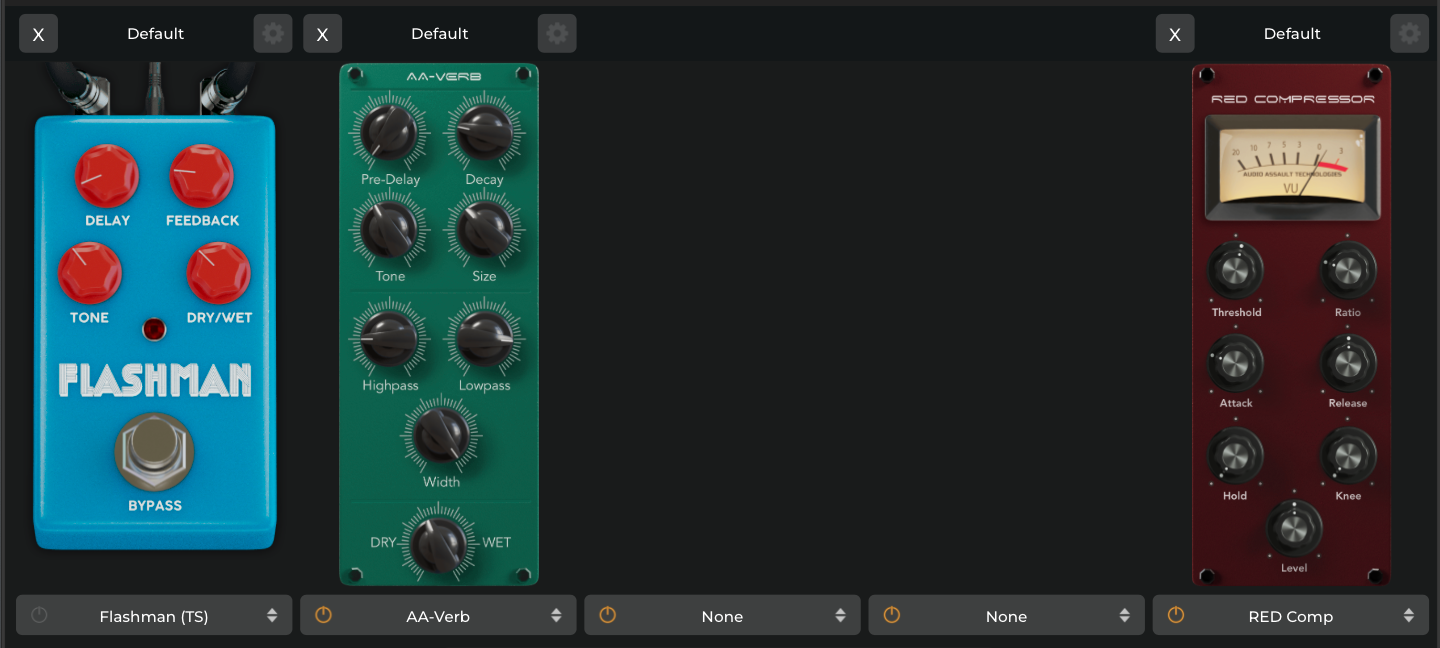
This is where the magic happens. In atmospheric pop, your delay and reverb aren’t “effects”—they are the instrument.
- The Delay: Digital Delay.
- Time: 450ms – 600ms (Preferably synced to 1/8th or dotted 1/8th notes).
- Feedback: 6-8 repeats.
- Mix: 40%.
- The Reverb: Space Verb (using “Large Hall” or “Cathedral”).
- Mix: 50% – 60%.
- Decay: 4.5 seconds or longer.
- Damping: Low (Keep the high-end shimmer in the reverb tails).
5. Pro Tips for Atmospheric Mastery
- The Volume Swell: Place the Volume Pedal module at the very beginning. Pick a note with the volume at zero, then slowly “swell” it in. This removes the pick attack entirely, making your guitar sound like a church organ or a synth pad.
- Dotted Eighth Delays: Set your delay to a dotted-eighth note ($3/16$) relative to your song’s tempo. This creates that “galloping” rhythmic wash popularized by The Edge (U2).
- Stacking Delays: If you can, run two delays in a row. A short “Slap” delay (100ms) into a long “Ambient” delay (500ms) creates a massive, complex texture that fills every gap in the mix.
- Soft Picking: Use a light pick or just the flesh of your fingers. The softer you play, the more the “bloom” of the reverb takes over.
The “Atmospheric Pop” Summary:
- Amp: USA_TWIN65 — High Presence, High Headroom.
- Pedal: Mini Attack — High compression for “endless” sustain.
- Modulation: Korus — Slow/Deep for a drifting, liquid feel.
- FX: Space Verb — Cathedral setting, 50% Wet.
Here is your exact recipe for the “Cloud Nine” tone.
The “Ethereal Landscape” Recipe Table
| Parameter | Setting | The “Atmospheric” Logic |
| Amp Model | Clean British (Class A) | Provides a “chime” top end that stays clear under heavy effects. |
| Gain | 2.0 – 3.0 | Total cleanliness. Any grit will make the reverbs sound “grainy.” |
| Bass | 3.5 | Cut the bass to keep the “wash” from becoming a muddy mess. |
| Mids | 4.5 | A slight scoop creates space for the vocal and snare drum. |
| Treble | 6.5 | Keeps the “shimmer” of the strings audible through the effects. |
| Presence | 7.5 | Enhances the “air” and “breathiness” of the tone. |
The “Wall of Clouds” Secret: Serial Delay & Reverb

In Atmospheric Pop, the order of your effects is your “instrument.”
-
Dual Delays: Place a Digital Delay (set to dotted 8th notes) into a Tape Delay (set to quarter notes). This creates a complex, rhythmic pulse that feels like a synth sequence.
-
The “Infinite” Wash: Use a Shimmer or Cloud Reverb at the end of the chain. Set the Mix to 50% and the Decay to 6-8 seconds. This allows your notes to trail off into a beautiful, orchestral pad.
The “Cinematic” Finishing Touches
-
Volume Pedal: Place a Volume pedal before your delays. By striking a chord and slowly “swelling” the volume in, you remove the pick attack, creating a violin-like or synthesizer texture.
-
The Cabinet: Use a 2×12 Open-Back Cabinet. The open back allows for a more “three-dimensional” sound that doesn’t feel boxed in, perfect for wide, stereo ambient tracks.