The “Riot Ready” Punk Rock Tone Recipe: Raw Energy with Audio Assault 🔥🎸
Punk rock tone isn’t about perfection; it’s about attitude, aggression, and honesty. Whether you’re chasing the 1977 London snarl, the 90s SoCal “skate punk” crunch, or modern Pop-Punk precision, the goal is a sound that is high-energy, mid-forward, and hits like a brick.
Using Audio Assault’s Amp Locker, we can build a rig that sounds like a wall of speakers in a sweaty basement club. Here is your recipe for the ultimate “Riot Ready” punk tone.
1. The Amp: The “Workhorse” British Crunch
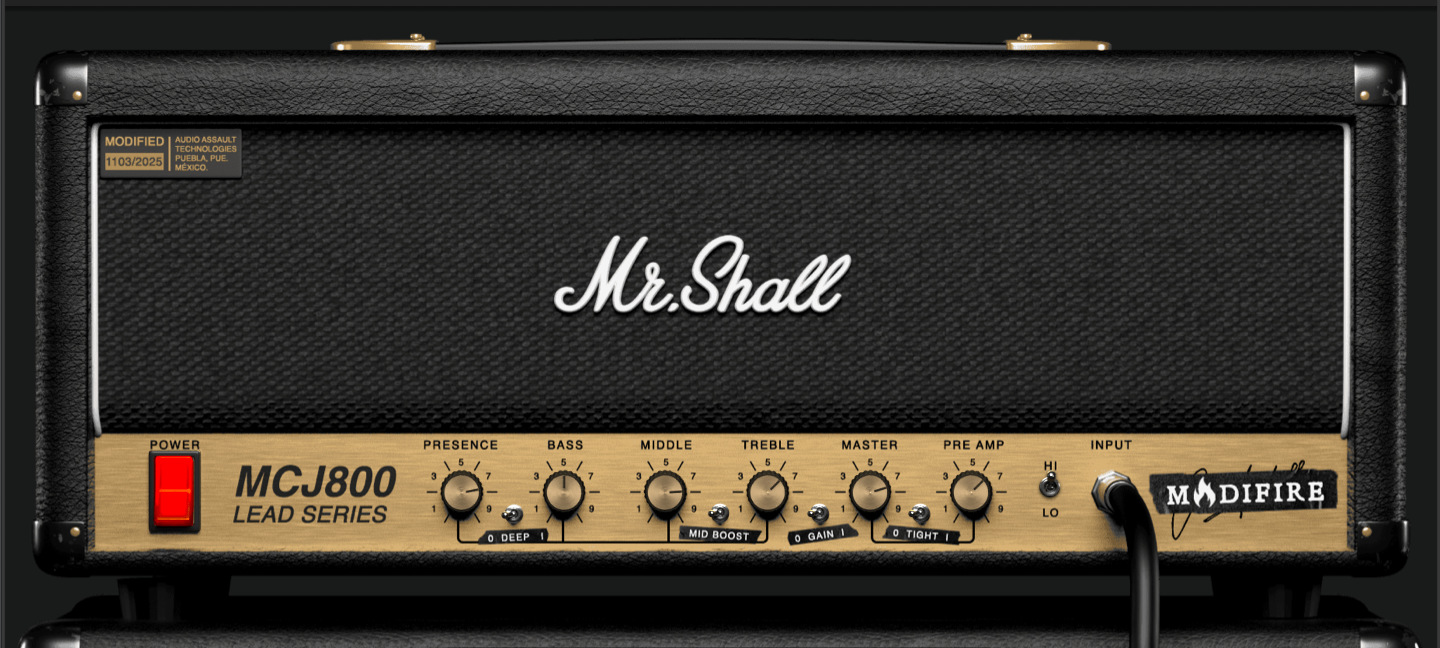
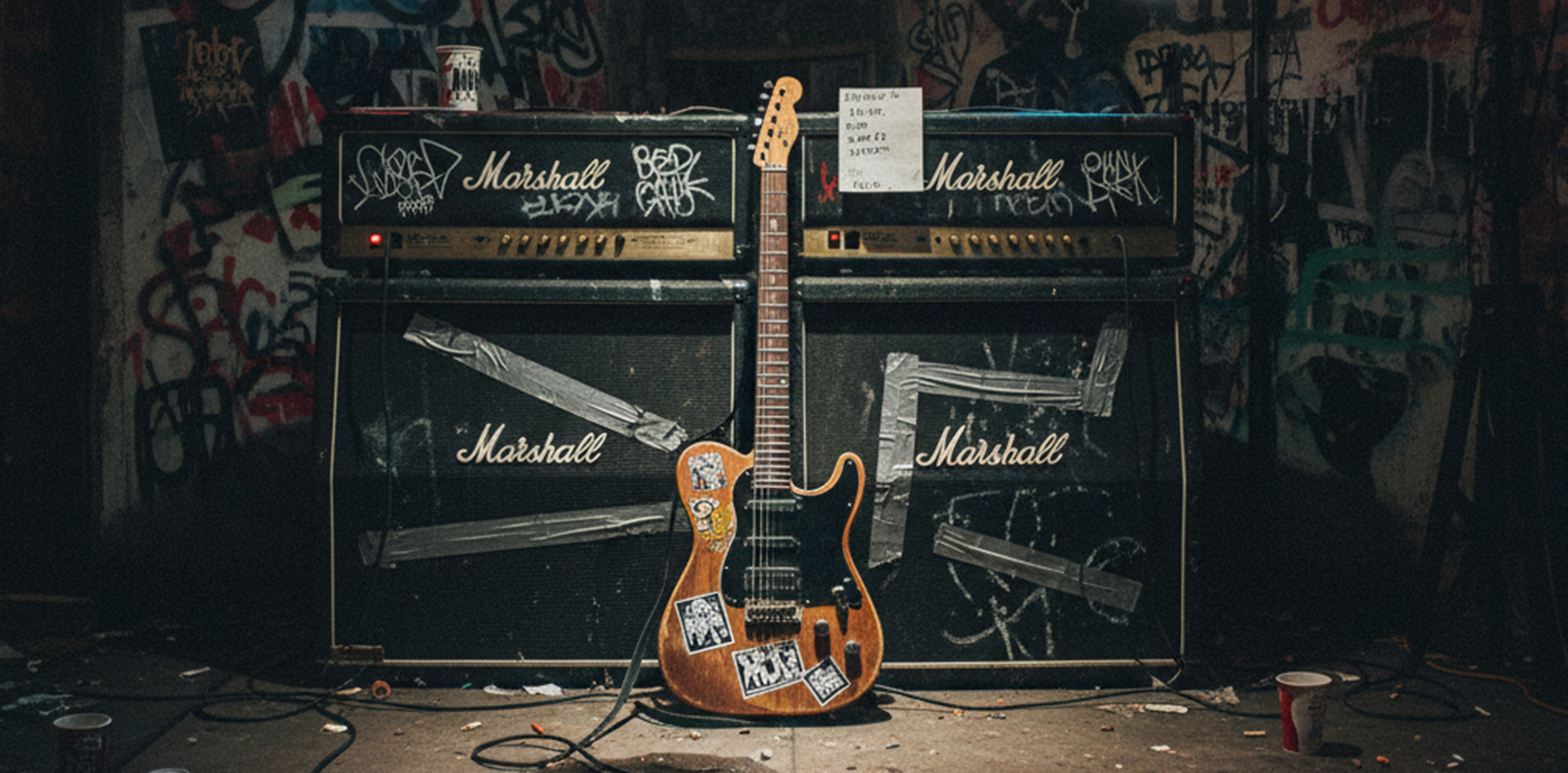
The DNA of punk rock is almost exclusively written on the Marshall JCM800. It provides the “clank” and “bark” necessary to cut through a loud drummer and a distorted bass.
- The Audio Assault Choice: Modifire LA (Modelled after the JCM800).
- Alternative: British 45 (Crank the gain for a raw, “The Clash” style vintage distortion).
- Modern Alternative: Dominator (If you want that ultra-tight, massive Green Day/Blink-182 “produced” sound).
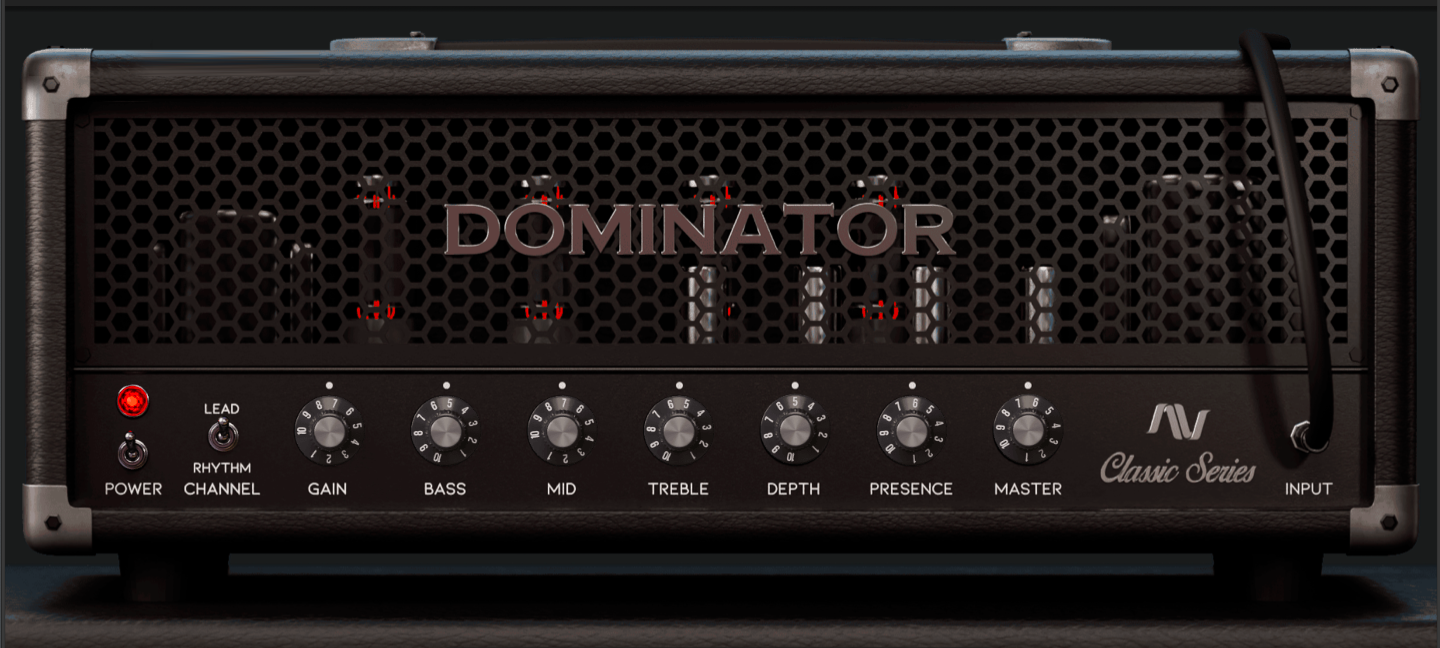
| Control | Setting | Why? |
| Gain | 6.5 – 7.5 | Enough to sizzle, but not so much that you lose the “chime” of the chords. |
| Bass | 5.5 | Keep it punchy, but let the bass guitar handle the sub-frequencies. |
| Middle | 8.0 | The Core. Punk is all about the mids. This gives your power chords “authority.” |
| Treble | 7.0 | For that aggressive “bite” and pick attack. |
| Presence | 6.5 | Adds the “spit” and raw energy to the top end. |
| Master | 7.0 | Pushes the power section for a thicker, more “organic” distortion. |
2. The Pedals: Minimalist Muscle
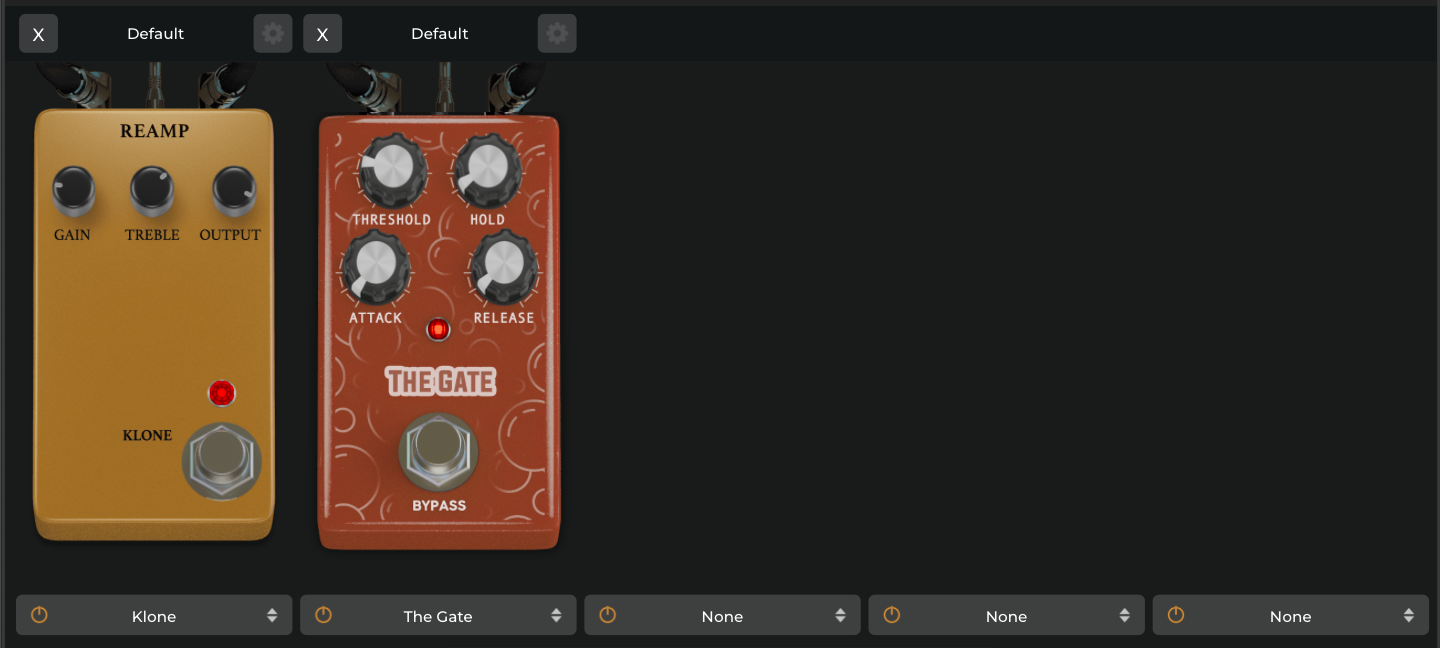
Punk is traditionally a “plug-in-and-play” genre, but a few pedals can tighten up your attack for fast down-strokes.
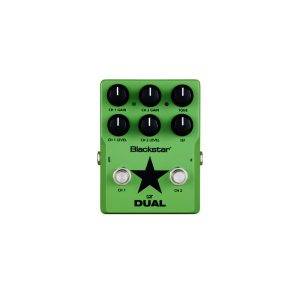
- The Overdrive: The Klone (Modelled after the Klon Centaur).
- Gain: 2.0 (Low).
- Output/Level: 6.0.
- Treble: 5.5.
- Why: Use this as a “dirty boost.” It adds a slight mid-hump and compression that makes palm-muted sections sound massive.
- The Gate (Noise Gate):
- Setting: Medium/Hard.
- Why: Essential for those “stop-start” punk riffs. You want the sound to cut to dead silence the moment you stop hitting the strings.
3. The Cab: The 4×12 “Plywood Box”
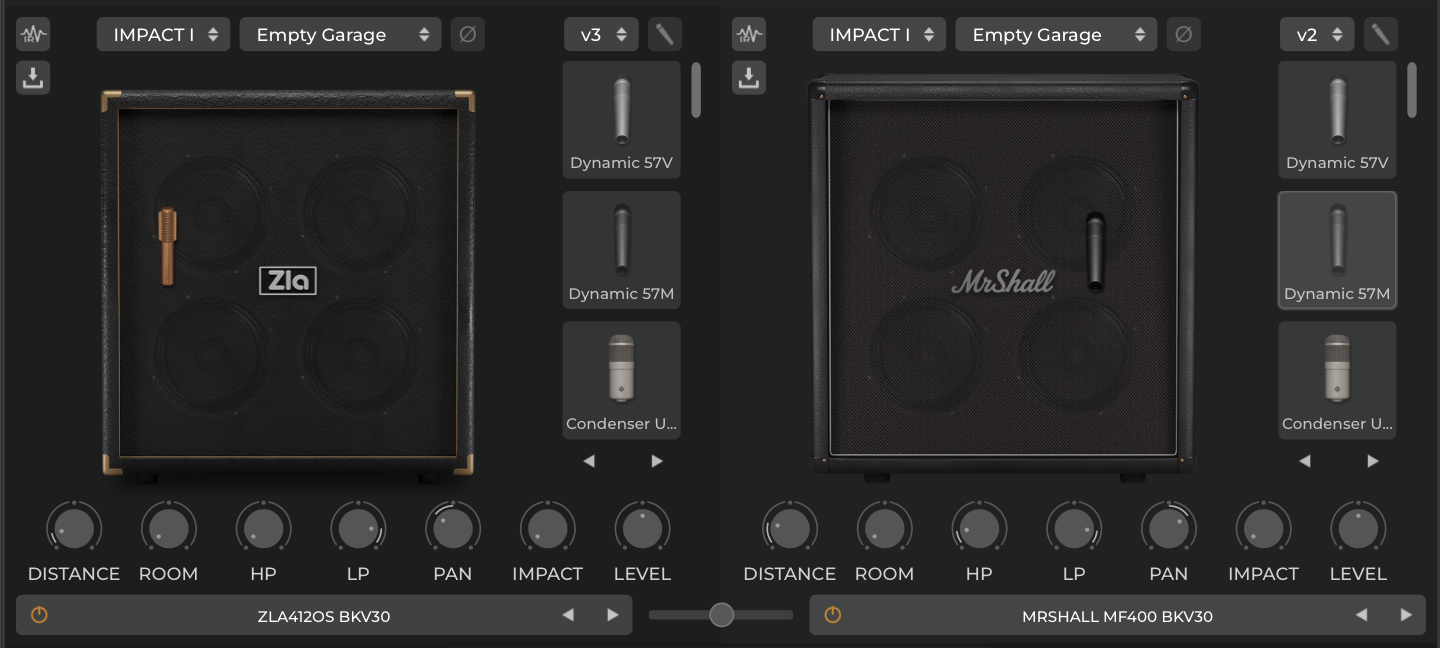
You need the projection of a 4×12 cabinet. For punk, we want speakers that have a “vocal” midrange and a bit of a “boxy” character.
- Audio Assault Choice: Mr. Shall 1960A (The classic Marshall cab) or ZLA 412.
- Mic Setup:
- Mic: Dynamic 57.
- Position: Dead center on the cone, about 1 inch away.
- Why: In punk, we want the aggression. A 57 pointed at the center is the “industry standard” for a reason—it’s bright, punchy, and unapologetic.
4. The Finish: “Basement Club” Ambiance
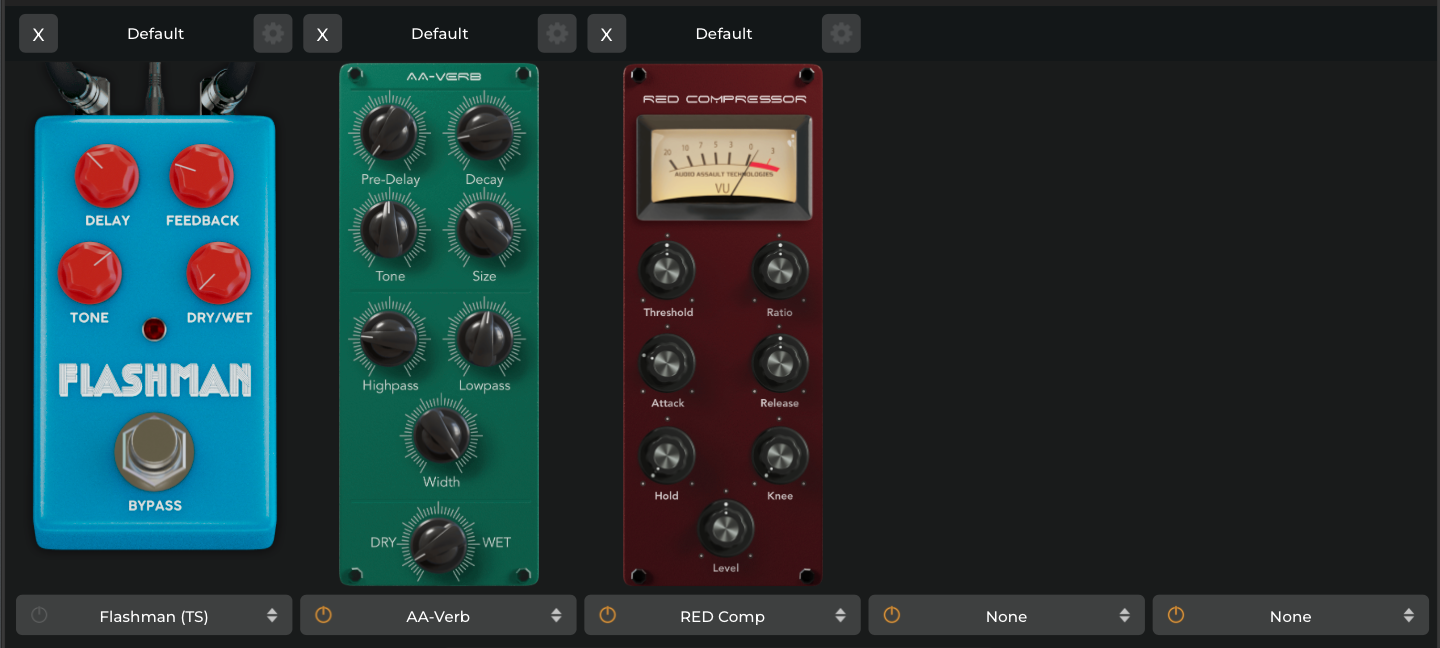
Punk should sound like it’s being played in a room, not a vacuum.
- Reverb: Room.
- Mix: 10%.
- Decay: Very short.
- Why: This mimics the sound of an amp bouncing off the walls of a small club. Avoid Hall or Plate reverbs; they are too “pretty” for this genre.
5. Pro Tips for Maximum Punk Energy
- Down-Strokes Only: To get that aggressive, driving punk rhythm (think Johnny Ramone), play your power chords using only down-strokes. It creates a more percussive, unified sound.
- The “Grit” Secret: If the tone is too clean, add a tiny bit of Pre-Gain in the Amp Locker settings. This simulates hitting the amp’s input harder, adding a bit of “hair” to the signal.
- Double Tracking: For a professional “skate punk” record sound, record the guitar twice. Pan one 100% Left and one 100% Right. It creates a massive “wall of guitars” that makes the chorus explode.
- Pick Choice: Use a heavy, 1.0mm+ pick. The stiffer the pick, the more “clack” and attack you get out of the strings.
The “Punk Recipe” Summary:
- Amp: British 800 — Mids at 8, Gain at 7.
- Pedal: The Clone — Used to “tighten” the crunch.
- Cab: 4×12 — Single Dynamic 57 for maximum “bite.”
- Vibe: Neck pickup is forbidden! Stay on the bridge humbucker and keep the volume at 10.
In Audio Assault Amp Locker, we achieve this by stripping away the “polish” and focusing on raw, uncompressed power. Here is your recipe for a “Riot Ready” tone.
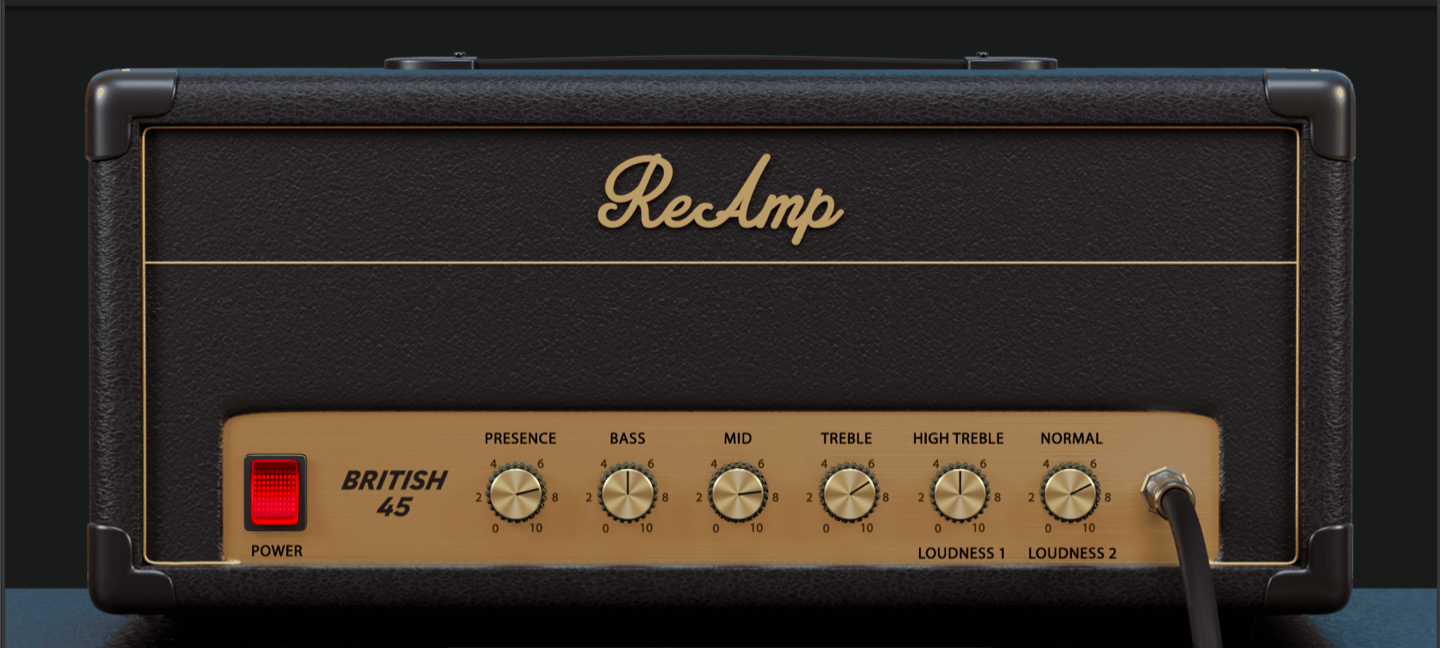
The “Three Chords & The Truth” Recipe Table
| Parameter | Setting | The “Punk Rock” Logic |
| Amp Model | British High-Gain or JCM-Style | You need that classic “British Crunch” that roars when you hit a power chord. |
| Gain | 5.0 – 6.0 | Don’t overdo it! You want “bark” and “grit,” not a wall of mush. |
| Bass | 5.5 | Enough to feel the “thud” of the downstrokes, but keep it tight. |
| Mids | 8.0 | Crank them. Punk lives in the midrange. This is where the “snotty” attitude comes from. |
| Treble | 7.0 | You want it “bright” and “urgent” so it cuts through the drum kit. |
| Master | 8.0 | Push the master volume hard to get that raw, “about to explode” feel. |
The “DIY” Secret: The Bridge Pickup & No Pedals
The secret to authentic punk isn’t what you add, but what you take away.
-
The “Straight-In” Method: Most classic punk was recorded with a guitar plugged straight into a cranked amp. Avoid heavy processing. If you need more “teeth,” use a Transparent Overdrive with the gain set very low.
-
The “Downstroke” Technique: Punk tone is 50% in the right hand. Use heavy-gauge picks and aggressive downstrokes to make the Amp Locker simulation react to the “percussive” nature of the genre.
The Cabinet: The “Garage” Sound
Avoid overly polished “boutique” cabinets.
-
Use a Standard 4×12 British Cab with “Greenback” style speakers. These speakers break up early and add a woody, organic “rattle” that is perfect for fast-paced punk riffs.
-
Keep the Room Mic fader up slightly in Amp Locker to capture the sound of a loud amp in a small, concrete room.