To achieve the B.B. King tone—the legendary “Lucille” sound—you need to recreate a very specific paradox: a tone that is incredibly clean, yet has a “honk” and sustain that almost sounds like a human voice. B.B. famously moved away from tube amps later in his career, preferring the massive headroom and immediate response of the Lab Series L5 solid-state amp 🎸👑
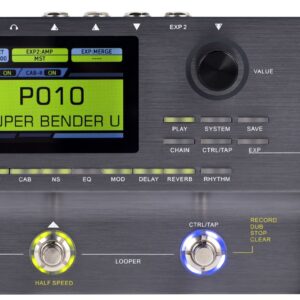
Using Audio Assault’s Amp Locker, we can build a signal chain that captures that stinging vibrato and sophisticated “King of the Blues” warmth. 🔥🎸
1. The Foundation: The “Hi-Fi” Clean Amp
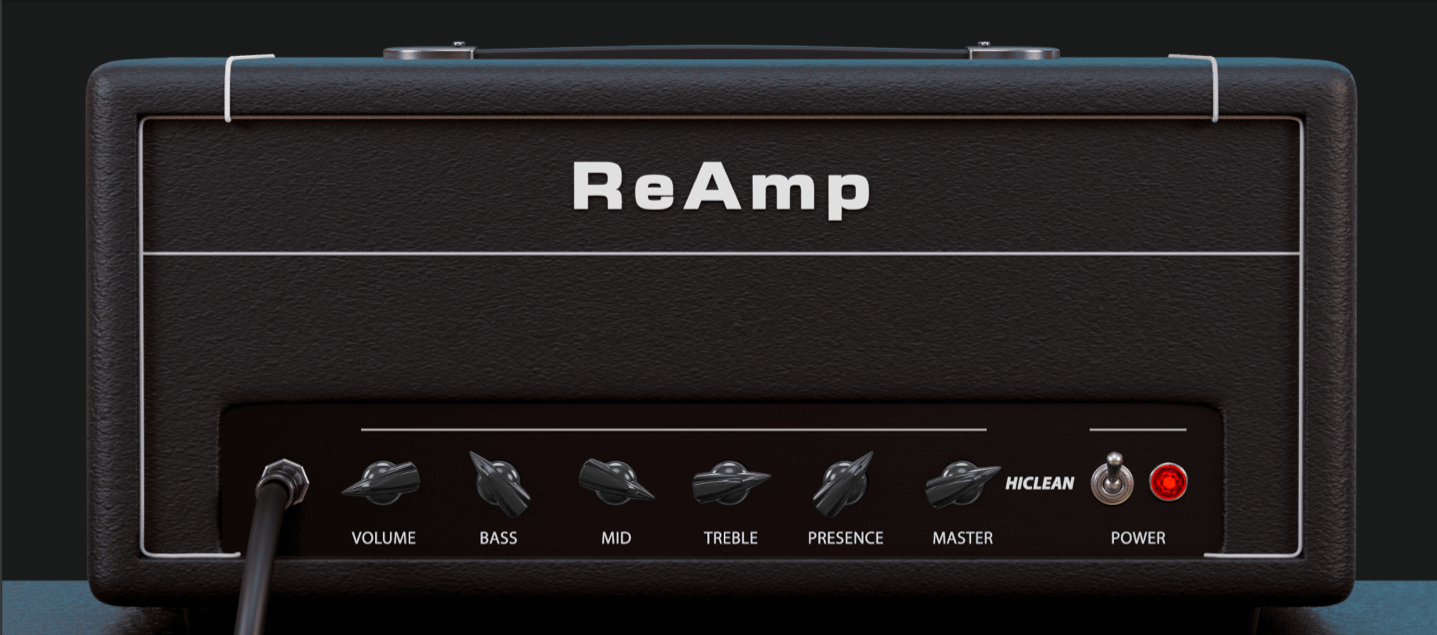
B.B. King’s tone is all about headroom. He didn’t want the amp to distort; he wanted it to project. While the Lab Series L5 isn’t a traditional tube amp, it was designed by Moog to have a very specific “compressed clean” character.
- The Audio Assault Choice: Hi-Clean (Modeled after the Hiwatt Custom 100).
- Alternative: Special Drive (Based on a Dumble Overdrive Special—use only the Clean channel).
- Why: The Hi-Clean is perfect because it is “stiff” and powerful. It doesn’t “sag” like a Fender or Marshall, giving you that immediate, percussive “snap” when B.B. hits his signature high notes.
The “Lucille” EQ Settings
| Control | Setting | The Logic |
| Gain | 2.5 | We want zero breakup. Keep it pristine. |
| Bass | 4.0 | Just enough for warmth; don’t let it get “boomy.” |
| Middle | 8.5 | The Secret. B.B. loved mids. This provides the “honk.” |
| Treble | 7.0 | For that “sting” on the high E string. |
| Presence | 6.0 | Adds the “clarity” and “air” around the notes. |
| Master | 7.5 | Gives the clean tone a bit of “weight” and authority. |
2. The Secret Sauce: The Varitone “Honk”
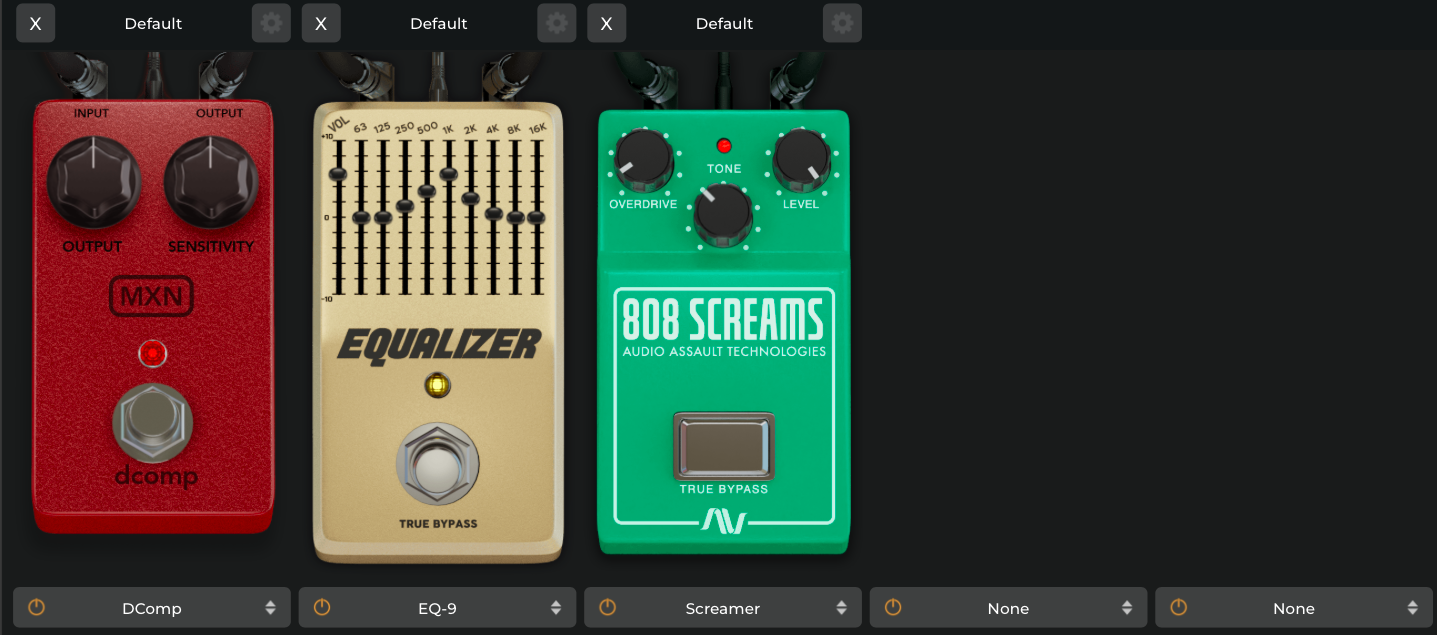
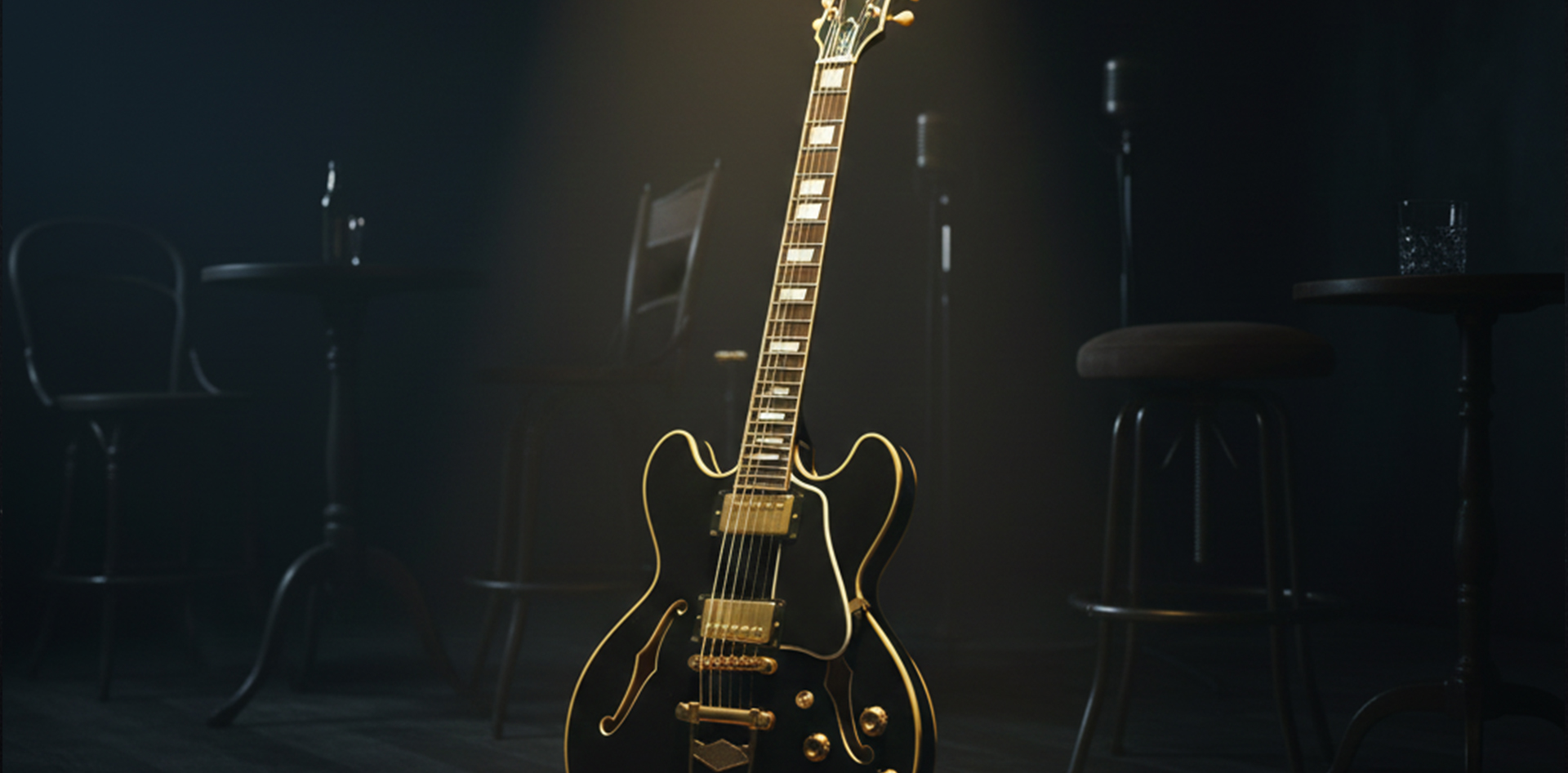
B.B.’s guitar, Lucille, had a Varitone switch—a notched filter that sucks out specific frequencies to create a “hollow” or “nasal” sound. We can simulate this using Audio Assault’s pedals.
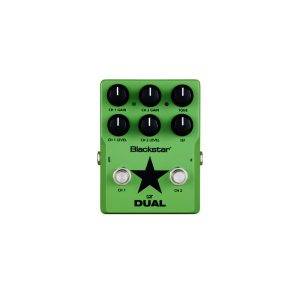
- The Filter: Integrator (Clean Booster/EQ).
- Settings: Boost the Mids (around 800Hz-1kHz) but keep the overall Gain at 0. This mimics the focused frequency response of a Varitone in position 3 or 4.
- The Compressor: Mini Attack.
- Setting: Place this at the very beginning of the chain.
- Why: Since we aren’t using amp distortion for sustain, a subtle compressor helps those single-note “stings” hang in the air just like B.B.’s did.
3. The Speaker: The 2×12 “Studio” Response
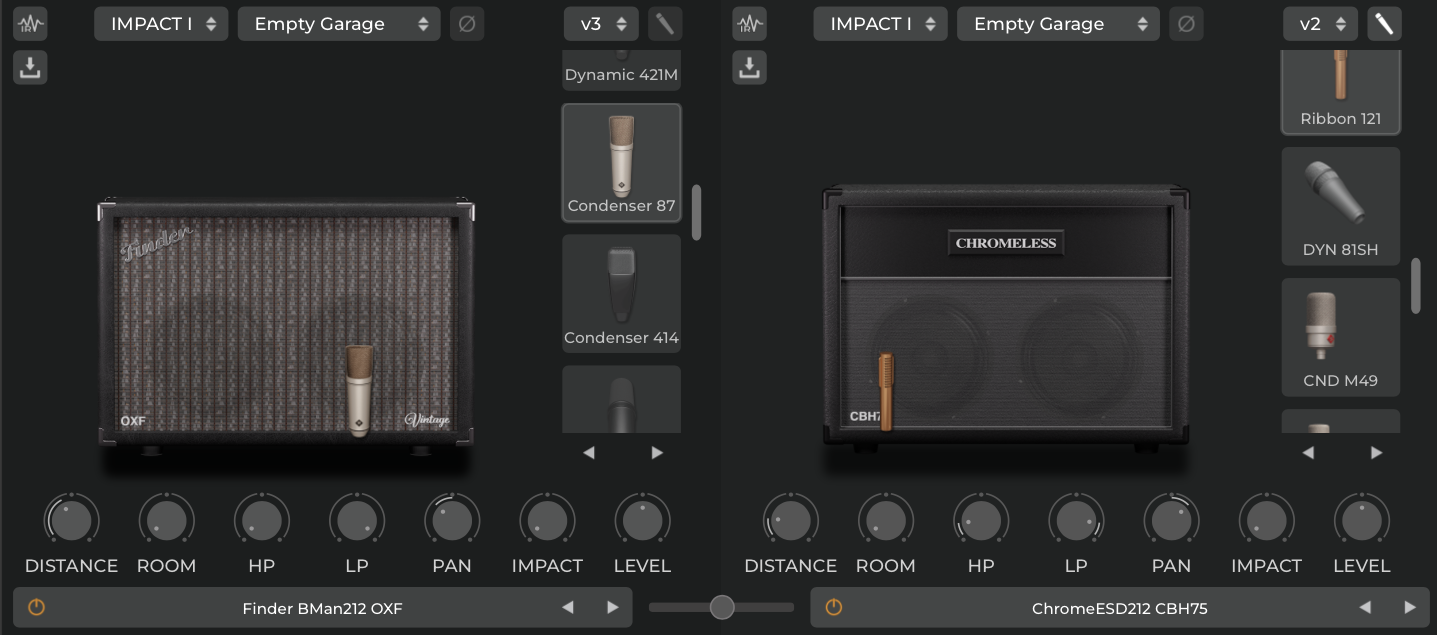
B.B. King almost always used a 2×12 setup. He needed a speaker that stayed clean at high volumes.
- Audio Assault Choice: JP_JAZZCHOIR (Based on the Roland Jazz Chorus 120).
- Alternative: ARCHON212 (For a modern, hi-fi 2×12 response).
- Mic Setup:
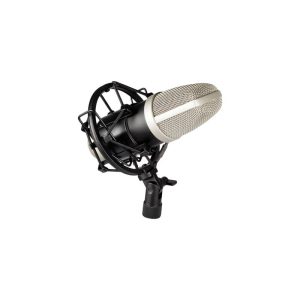
- Mic 1: Condenser 87. Place it 4 inches back, centered on the cone. This captures the “expensive” studio sheen of B.B.’s later recordings.
- Mic 2: Ribbon 121. Blend this in (20%) just to round off any digital harshness.
4. The Finish: “The Thrill is Gone” Reverb
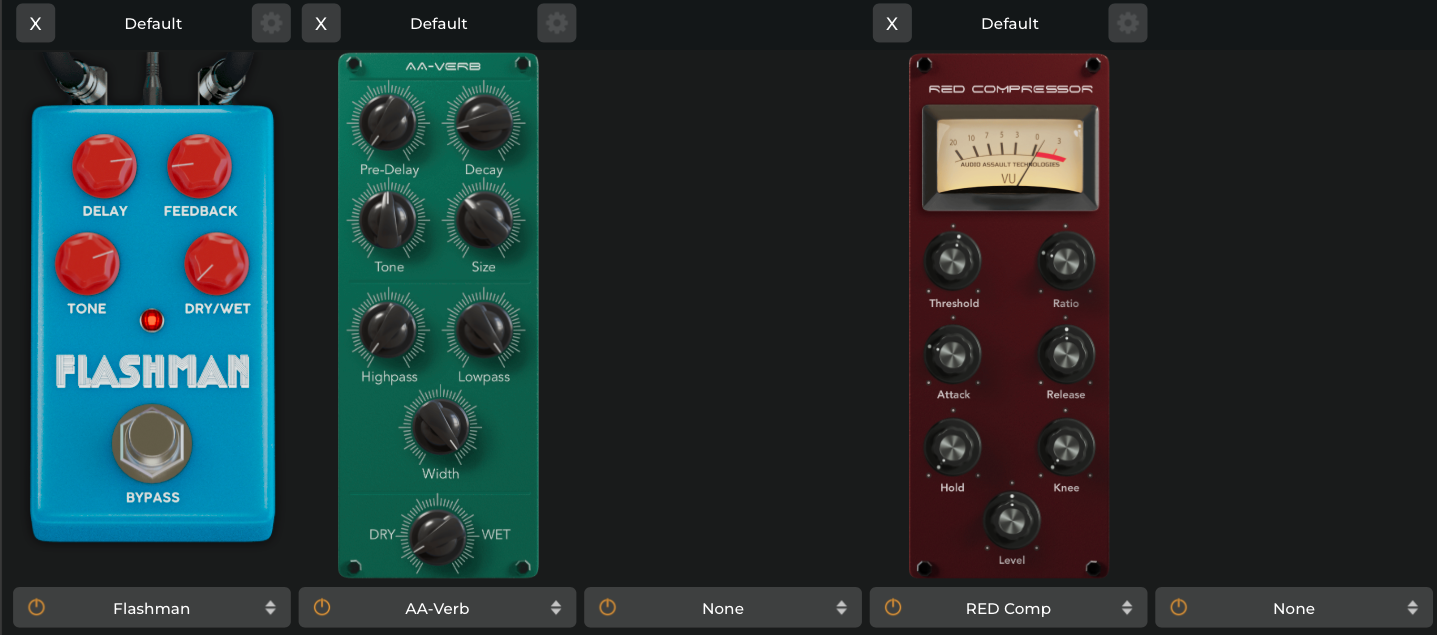
B.B.’s tone is almost never “dry.” It usually sounds like he is playing in a high-end teather or a spacious studio.
- The Reverb: Space Verb (using the Large Hall or Plate setting).
- Mix: 25%.
- Decay: 2.5 seconds.
- Why: It adds a regal, sophisticated “distance” to the notes.
- The Delay: Use a very subtle Digital Delay (150ms) with only 1 repeat and the mix at 10% to add a “thickening” effect to the guitar.
5. Pro Tips for the B.B. King Soul
- The “Butterfly” Vibrato: This is 90% of the tone. B.B. didn’t use his arm; he rotated his wrist rapidly. In Amp Locker, the high Presence and Treble settings will highlight the nuances of this technique.
- The Pick: B.B. often used heavy picks but hit the strings with a medium-light touch.
- No Chords: To truly play like the King, remember his rule: “When I sing, I don’t play. When I play, I don’t sing.” Focus on single-note call-and-response phrases.
The “B.B. King Recipe” Summary:
- Amp: Hi-Clean — Clean Gain, Heavy Mids.
- Pedal: Integrator — Used as a mid-focus filter (Varitone simulation).
- Cab: Jazz Chorus 2×12 — For maximum clean headroom.
- Vibe: Neck or Middle pickup on a semi-hollow body guitar.
The “Thrill is Gone” Recipe Table
| Parameter | Setting | The “Lucille” Logic |
| Amp Model | High-Headroom Clean | Choose a model with massive clarity that won’t distort when you dig in. |
| Gain | 3.0 | Keep it low. The “grit” in B.B.’s tone came from the amp being pushed loud, not distorted. |
| Bass | 5.0 | Neutral. You want enough body to support the single-note lines. |
| Mids | 8.0 | The Secret. B.B. loved a mid-heavy sound to mimic the human voice. |
| Treble | 7.0 | Provides the “sting” for his iconic butterfly vibrato. |
| Compressor | Light | Use a subtle compressor in Amp Locker to add sustain to clean notes. |
The “Varitone” Secret
B.B. King’s Gibson ES-355 featured a Varitone switch, which is essentially a notch filter that sucks out specific frequencies to create a “thinner” or “honky” sound.
Pro Tip: In Amp Locker, try using a Parametric EQ after the amp. Create a narrow boost around 1.5kHz to 2kHz to replicate that nasal, vocal-like quality that makes “Lucille” talk.
The Butterfly Vibrato
Remember, B.B. rarely played chords. His tone is designed to let a single note hang in the air. Set your Room Reverb to a medium decay with a high mix—this replicates the sound of a large blues hall where B.B. spent most of his life.