Tone Recipe: Dialing in the “Mr. 335” Larry Carlton Sound with Audio Assault Plugins 🔥🎸
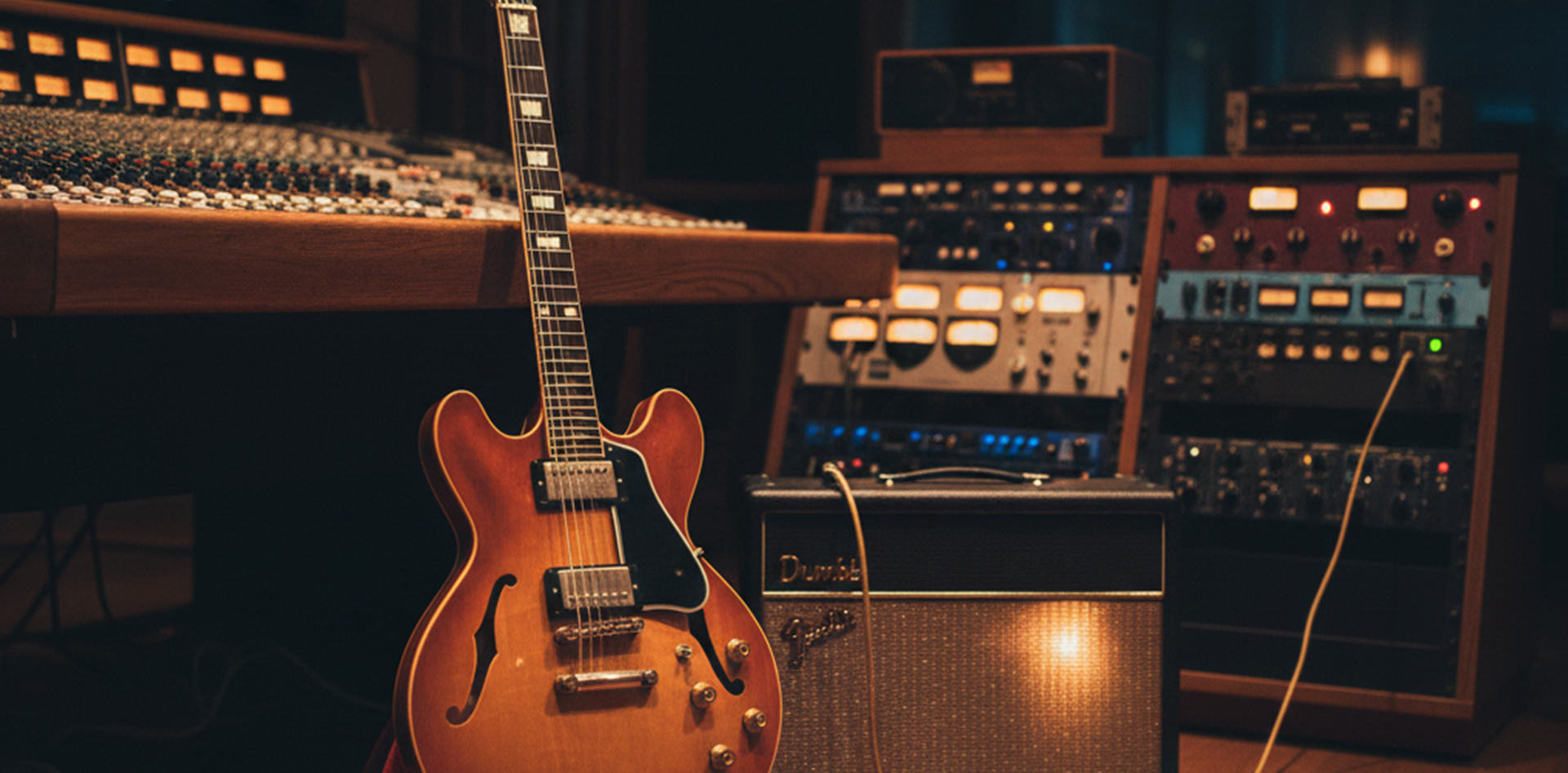
Welcome back, tone chasers! Today, we’re tackling one of the most revered and elusive guitar tones in history: the smooth, sophisticated, and singing lead sound of Larry Carlton. Known as “Mr. 335” for his iconic use of the Gibson semi-hollow body guitar, his tone is a masterclass in touch sensitivity, blooming sustain, and creamy overdrive.
A huge part of Carlton’s legendary sound comes from his use of the ultra-rare and expensive Dumble Overdrive Special amplifier. While most of us can’t drop six figures on a real one, Audio Assault has given us the keys to the castle with their incredible modeling technology.
Let’s dive into the Amp Locker and build a Larry Carlton tone recipe that will have your licks singing.
Step 1: The Foundation – The Amp
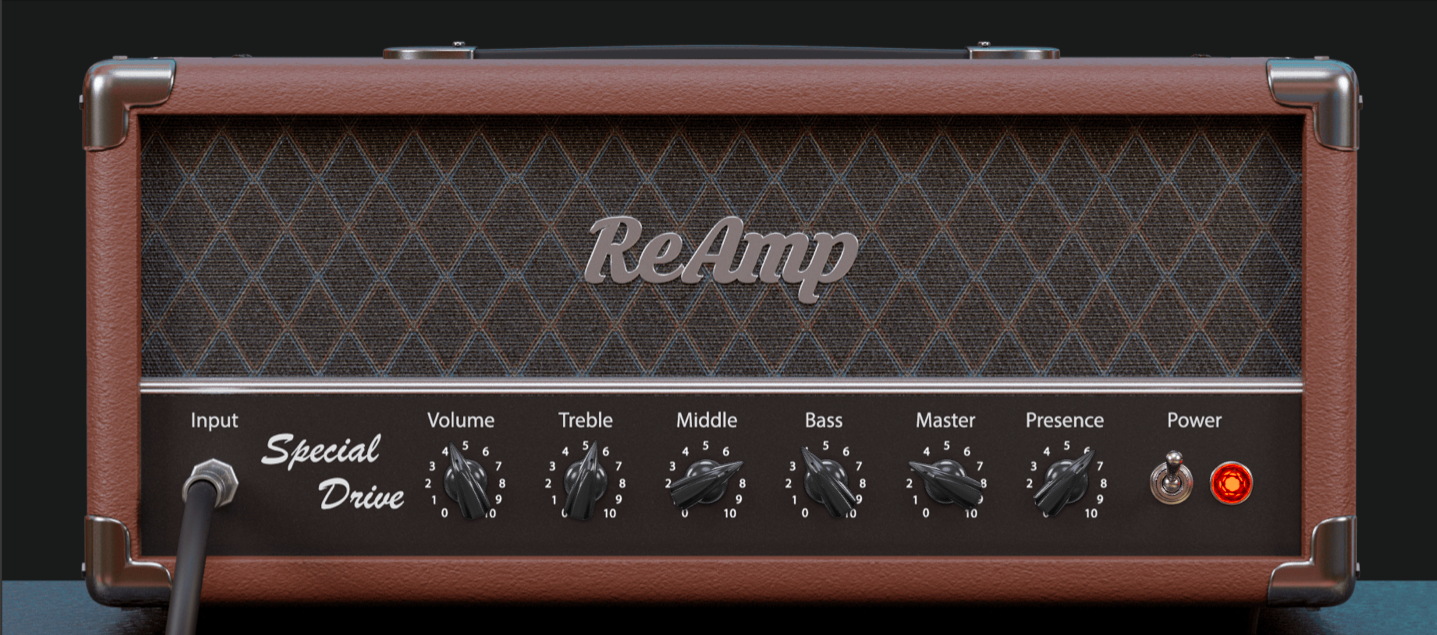
For this tone, there is only one choice. We need that Dumble DNA.
The Weapon of Choice: Audio Assault Special Drive
The Special Drive is Audio Assault’s homage to the legendary Dumble Overdrive Special. This amp is famous for its clean channel that breaks up beautifully and an overdrive channel that is thick, compressed, and sustains for days.
The “Mr. 335” Amp Settings:
We want to set the amp to be on the very edge of breakup, where digging in hard with your pick gives you a little grit, but playing softly stays clean. The EQ should be mid-focused to make the guitar cut through a mix without being harsh.
To achieve that legendary “D-style” boutique response within Audio Assault’s Amp Locker, use the Special Drive model. This amp is specifically designed to replicate the touch-sensitive, mid-forward character of the high-end amplifiers Larry Carlton famously uses.
| Parameter | Setting | The “Chef’s Note” |
| Model | Special Drive | The Amp Locker’s answer to the boutique “D-Style” circuit. |
| Gain | 4.5 – 5.5 | Right at the sweet spot where it starts to purr. |
| Bass | 4.0 | Keep it tight; don’t let the semi-hollow body get “woofy.” |
| Mids | 7.0 | The Magic: Crank these for that signature vocal, singing quality. |
| Treble | 5.5 | Smooth and articulate, never piercing. |
| Presence | 6.0 | Adds a nice, “hi-fi” top-end air to the notes. |
| Master | Taste | Adjust this to reach your desired output level/monitoring volume. |
Pro-Tip: The “Jazz/Rock” switch on real Dumbles is crucial. If the plugin has a similar voicing switch, experiment with it. The “Rock” setting usually adds more upper-midrange bite, while “Jazz” is smoother. For Larry’s fusion leads, a smoother setting is often key.
Step 2: The Secret Sauce – The Pedals
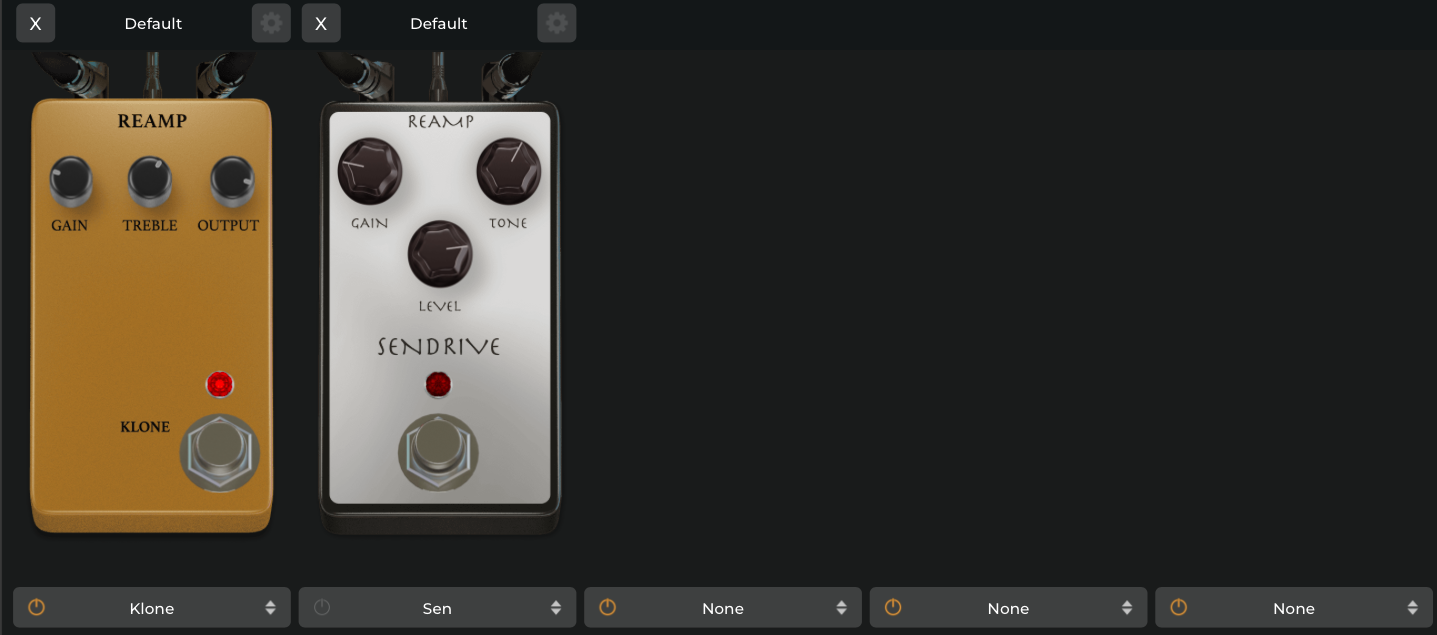
While the Dumble’s own overdrive is legendary, Larry Carlton is also known for using pedals to push his amp into singing sustain. We need a transparent overdrive that adds compression and sustain without coloring the tone too much.
The Pedal of Choice: Audio Assault “The Klone” or “Sen”
- The Klone: Based on the Klon Centaur, this is perfect for a “clean boost” that adds a magical mid-hump and compression.
- Sen: Based on the Zendrive, which itself was designed to mimic the Dumble sound in a pedal. This is another fantastic option.
Let’s go with The Klone for this recipe to push the front end of our Special Drive amp.
The “Singing Sustain” Pedal Settings:
The goal is not to add a ton of pedal distortion, but to use the pedal’s volume to hit the amp harder and use its gain knob to add just a touch of smooth clipping.
- Model: The Klone
- Gain: 2 – 3 (Keep it low. We want smooth sustain, not fizz.)
- Treble: 5 – 6 (Adjust to balance with your guitar’s pickups. Start at noon.)
- Output: 7 – 8 (This is key. Crank the volume to overdrive the amp’s preamp tubes.)
Step 3: The Voice – The Cabinet
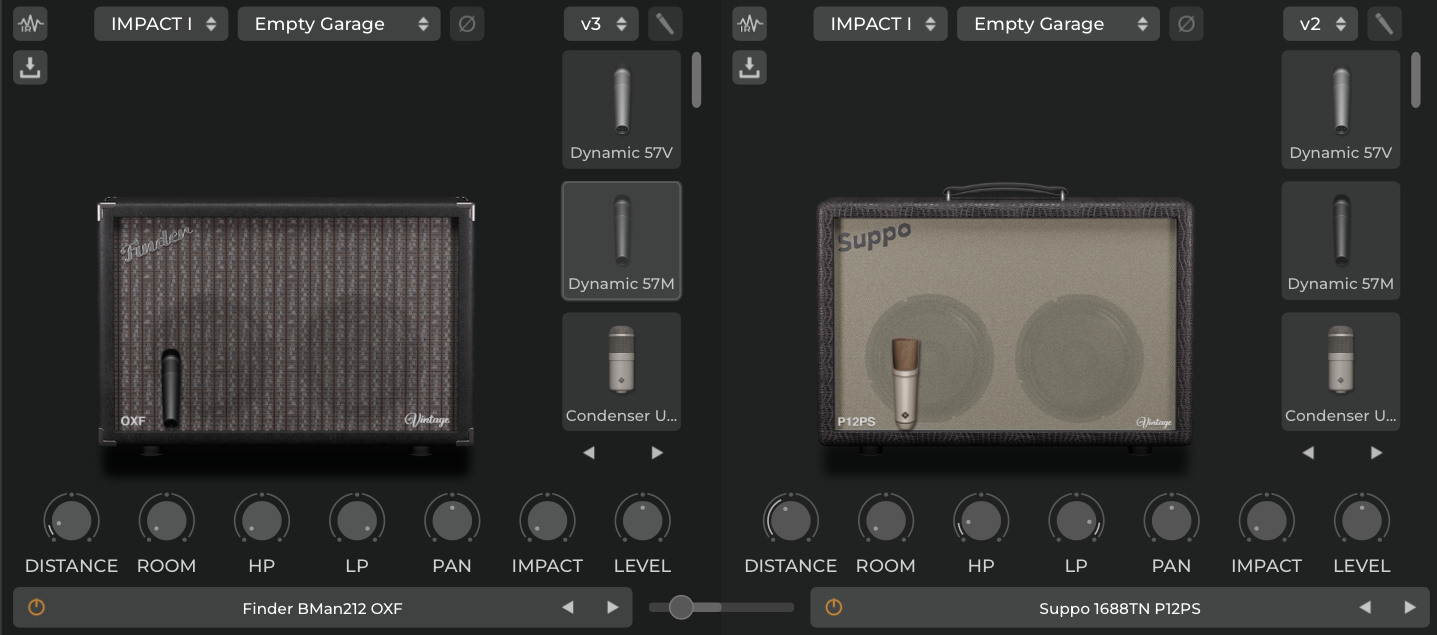
The final piece of the puzzle is the speaker cabinet. Larry often used open-back combos or 2×12 cabinets, which contribute to an airy, less directional sound compared to a closed-back 4×12.
The Cab Choice: A Fender-style Open-Back 2×12
Look for an Impulse Response (IR) in Audio Assault’s library based on a Fender Twin Reverb or a similar open-back 2×12 with Jensen or Celestion speakers.
- Recommended Cab IR: Check “The Finder” BKF Deluxe or the Twinverb Classic series cabs in Amp Locker‘s cab section. An open-back 2×12 will give you that classic, blooming low-end and sweet top end.
- Mic Placement: Start with a dynamic mic (like an SM57 model) near the center of the cone for brightness, then move it slightly toward the edge to smooth out the highs until it sounds just right.
The Final Polish
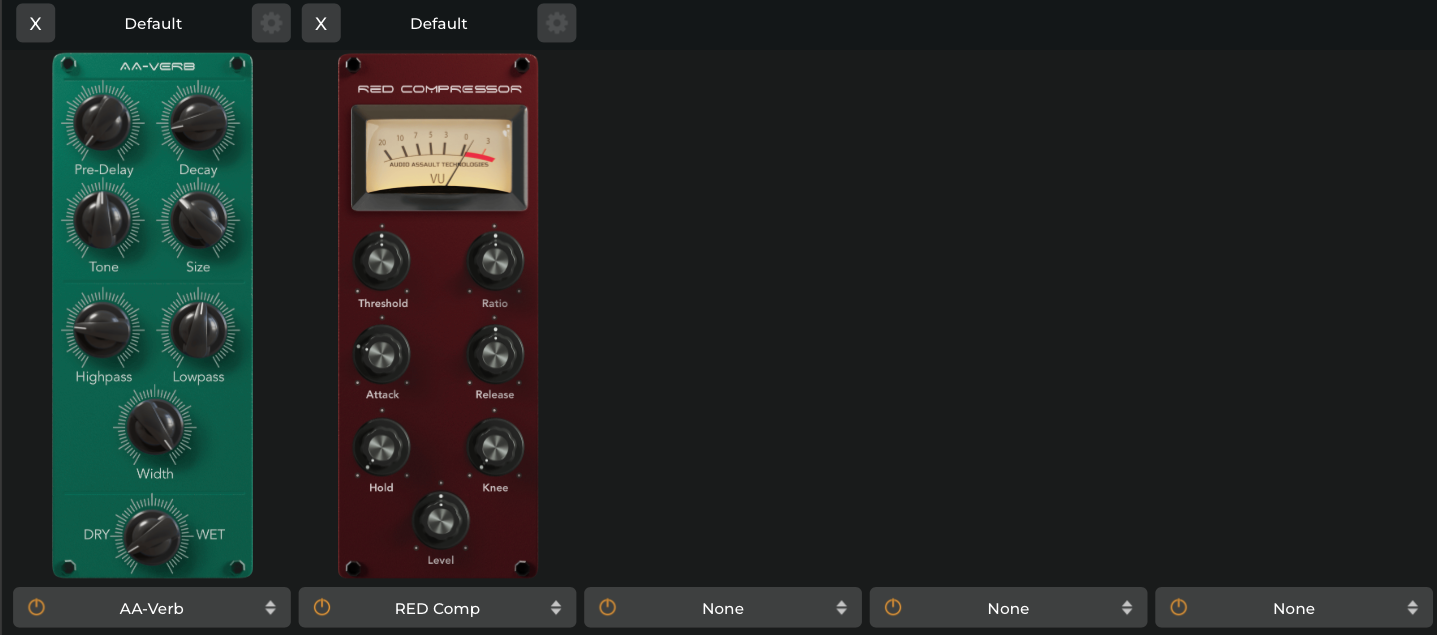
Don’t forget a touch of ambiance! Larry’s tone is rarely completely dry. Add a splash of a Room or Plate Reverb from Audio Assault’s effect section to give your tone some space and depth. Keep the mix low (around 15-20%) so it doesn’t wash out your notes.
The Recipe Summary:
- Guitar: Semi-hollow body (neck pickup is prime territory)
- Pedal: “The Clone” (High Output, Low Gain) ->
- Amp: “Special Drive” (Mid-heavy EQ, edge-of-breakup gain) ->
- Cab: Open-back 2×12 IR ->
- Reverb: Subtle Plate or Room
Now, grab your guitar, dial in these settings, and start working on those tasty, sophisticated bends. You’re officially in the “Mr. 335” tone zone!
The “Kid Charlemagne” EQ Settings
| Control | Setting | Why? |
| Gain (Drive) | 5.5 – 6.5 | You want the amp to break up only when you dig in. It should “bloom,” not “crunch.” |
| Bass | 4.0 | Keep it tight. Semi-hollow guitars provide plenty of natural low-end warmth. |
| Middle | 7.5 | Crucial. Larry’s tone lives in the mids. This provides the vocal-like “singing” quality. |
| Treble | 5.0 | Smooth is the goal. Avoid high-end “ice pick” frequencies to keep it classy. |
| Presence | 4.5 | Just enough to keep the notes articulate without sounding modern or harsh. |
| Master | 7.0 | Pushing the master adds that subtle power-tube compression Carlton is known for. |
The Carlton Secret: The D-Style Response
To get this right in Amp Locker, look for the “Boutique” or “D-Style” amp models. These circuits react differently than a Marshall or Fender—they have a unique “squish” when you sustain a note.
Pro Tip: Use a subtle optical compressor before the amp and a high-quality Plate Reverb with a short decay to place the guitar in a professional “studio room” space.